Web App Development
 Cloud App Development
 Front-End Development
 Cross Platform Development
 MVP Development
 Application Modernization
 PWA Development
 SaaS Application Development
 Software Development Outsourcing
 Offshore Custom Software Development
 Full Stack Software Development
 Custom Software Development
 Enterprise Software Development
 Cloud Computing Solutions
 Cloud Development
 Managed Cloud Services
 Cloud Native Development
 AI Consulting
 Machine Learning Development
 LLM Development
 AI Chatbot Development
 Data Analytics
 CI CD Development
 Digital Transformation
 Dev Ops
 Content Development
 Blockchain Development
 Web Development
 Web Design
 Cloud Computing Solutions
 AI & ML Development
 Data Science Solutions
 UI/UX Design
 QA and Testing











 Full Stack Developers
 KnockoutJS Developers
 Microsoft Developers
 Swift Developers
 Xamarin Developers
 Blockchain Developers
 WebFlow Developers
 Software Developers
 Fintech Developers
 Security Testing Developers
 Functional Testing Developers
 Azure Developers
 Current Opening
 biz.encodedots
 biz@encodedots.com
 +91 99747 42772


- What Is Custom Web Application Development
- Types of Custom Web Applications
- Real-World Examples
- Key Benefits of Custom Web Applications
- Comparison
- Web Application Development Process
- Custom Web Application Development Frameworks
- Web Application Development Trends in 2026
- Costs and Risks of Web Application
- Conclusion
- FAQs
In today’s Digital economy, businesses no longer compete only on price or product. They compete on Why quickly they can adapt, Why effectively they utilize data, and Why smoothly their digital systems operate. This is where custom web applications become a true business advantage instead of just another IT project.
Unlike basic websites or off-the-shelf Software, modern companies depend on purpose-built platforms that automate operations, connect departments, and scale as the business grows. That is why more organizations are turning to web application development services to create Digital systems that match their workflows, customers, and long-term goals.
Behind every successful SaaS product, fintech platform, eCommerce system, healthcare portal, or enterprise dashboard is a carefully planned Digital foundation. That foundation is built through custom web application development that allows businesses to manage data, users, transactions, and integrations in one secure and scalable environment.
Companies that invest in professional web app Development services are not just building software – they are building operational efficiency, better customer experiences, and long-term competitive strength. Working with an experienced custom web application development company ensures that every feature, workflow, and integration is aligned with real business needs, not generic templates.
This guide explains what custom web application development really means, How it works, and Why businesses can use it in 2026 to grow faster, operate smarter, and stay ahead of the competition.
What Is Custom Web Application Development?
These platforms power everything from customer portals and SaaS products to eCommerce systems, analytics dashboards, and internal business tools. What makes them truly “custom” is not the technology, but Why the application reflects real business logic, data flows, and user needs.
Companies that invest in custom web application development services gain faster operations, better control over their data, smoother customer experiences, and systems that scale as the business grows.
A professional web application development company Designs these platforms by understanding business processes first, then building secure, high-performance systems that support both current operations and future expansion.
Types of Custom Web Applications
Modern custom web applications come in many forms, depending on Why a business delivers content, processes data, and serves users. Each type supports a different Digital goal, from simple information delivery to advanced automation and AI-driven experiences.
1. Static Web Applications
Built for content-driven platforms, these systems are Designed to display information that rarely changes. A business website, documentation portal, or marketing landing page often falls into the category of static web applications, where speed, security, and SEO visibility are more important than complex user interaction.
These applications are commonly used when companies need fast-loading pages, high reliability, and minimal server processing while still maintaining a professional online presence.
2. Dynamic Web Applications
Platforms that respond to user input, process data in real time, and personalize content are known as dynamic web applications. These are used for dashboards, booking systems, customer portals, and business tools where information must update instantly based on user activity.
They are ideal for businesses that rely on live data, automation, and real-time interactions to run operations.
3. Single Page Applications (SPAs)
When users interact with an interface that feels like a mobile app inside a browser, it is powered by a single-page application. These applications load content dynamically without refreshing the page, making them perfect for SaaS platforms, project management tools, and collaborative systems that require speed and a smooth user experience.
4. Multi-Page Web Applications (MPAs)
Content-rich platforms that load separate pages for different sections operate as multi-page web applications. These are commonly used by e-commerce platforms, corporate websites, and content portals that rely heavily on SEO and structured navigation.
They are ideal for businesses that need strong search visibility and an organized information architecture.
5. E-Commerce Web Applications
Online stores and digital marketplaces run on e-commerce web applications, which handle product catalogs, payments, order management, inventory, and customer accounts. These platforms allow businesses to sell products and services at scale through secure, automated systems.
6. Portal Web Applications
Systems that allow users to log in, manage accounts, submit requests, and track activity operate as portal web applications. These are widely used in healthcare, finance, education, and B2B services to provide secure access to personalized data.
7. CMS Web Applications
Platforms that allow teams to publish, edit, and manage content fall under CMS web applications. These are used for blogs, media platforms, knowledge bases, and company websites where content needs to be updated regularly without technical complexity.
8. Rich Internet Applications (RIAs)
Highly interactive platforms that offer advanced graphics, charts, and media experiences are built as rich Internet applications. These are used for data dashboards, Design tools, and applications that require a high level of visual interaction.
9. Animated Web Applications
Designed to deliver visually engaging and interactive experiences, these platforms use motion Design, transitions, and micro-interactions to guide users through content. Businesses often rely on animated web applications for product launches, marketing platforms, Digital storytelling, and brand experiences where user engagement and visual impact play a critical role.
10. AI-Powered Web Applications
When automation, machine learning, and predictive intelligence are built into a platform, it becomes an AI-powered web application. These systems enable features such as chatbots, personalized recommendations, fraud detection, intelligent search, and real-time data analysis, helping businesses improve decision-making and customer experience.
11. Cloud-Native Web Applications
Platforms that are built to operate entirely on cloud infrastructure fall into the category of cloud-native web applications. These systems automatically scale based on demand, support global users, and ensure high availability, making them ideal for fast-growing businesses, SaaS platforms, and enterprise-grade Digital systems.
12. Progressive Web Applications (PWAs)
Web platforms that deliver app-like performance directly in a browser are known as progressive web applications. They offer fast loading, offline functionality, and push notifications, allowing businesses to reach mobile and desktop users with a single, highly optimized web experience.
Modern businesses rely on different types of custom web applications to deliver content, manage operations, process transactions, and provide personalized user experiences. From static and dynamic platforms to e-commerce systems, AI-powered tools, and cloud-native applications, each type is built to support a specific business function. Choosing the right web application model helps organizations improve performance, security, scalability, and customer engagement. Together, these platforms form the digital foundation that allows businesses to grow faster, operate smarter, and stay competitive in 2026 and beyond.
Real-World Examples of Web Applications
Many of today’s most influential Digital platforms are built as web applications. These systems are not simple websites – they manage complex user interactions, real-time data, payments, collaboration, and personalization at a massive scale.
The following are popular real-world examples of web applications across different industries:
Google Docs
Collaborative document editing is one of the best examples of what a modern web application can do, and Google Docs demonstrates this perfectly. The platform allows multiple users to create, edit, and review the same document in real time while storing everything securely in the cloud. It shows Why web applications handle live data synchronization, permissions, and version control without requiring any local Software installation.
Canva
Designing professional graphics no longer requires desktop Software, thanks to web platforms like Canva. This browser-based application enables users to build presentations, social media visuals, and marketing materials using drag-and-drop tools and cloud-based processing. It highlights Why advanced user interfaces and creative tools can be delivered entirely through a web application.
Slack
Workplace communication has shifted to web-based platforms such as Slack, where teams exchange messages, share files, and integrate dozens of productivity tools in one place. Its web application supports real-time messaging, notifications, and workflow automation, showing Why collaboration Software can run efficiently inside a browser.
Trello
Project and task management are handled seamlessly through platforms like Trello, which uses boards, lists, and cards to organize work. This web application demonstrates Why structured workflows, team collaboration, and progress tracking can be managed through a simple yet powerful online interface.
Spotify
Media streaming and personalization are delivered through Spotify’s web platform, where users can play music, build playlists, and receive recommendations based on listening behavior. It illustrates Why web applications can handle large media libraries, subscriptions, and data-driven personalization.
Airbnb
Global marketplaces rely on powerful custom platforms, and Airbnb is a strong example of this. Its web application connects hosts and travelers, manages listings, processes payments, and handles bookings across countries, proving Why complex business transactions can be supported through a browser-based system.
Figma
Design collaboration happens entirely online with Figma, where designers and developers work on the same files in real time. This web application shows that even high-performance design tools can be delivered through the browser with live updates and version control.
Netflix
Streaming entertainment at scale is made possible through Netflix’s web platform, which manages video delivery, subscriptions, viewing history, and personalized recommendations. It highlights Why web applications support global users and massive content libraries.
Professional networking, hiring, and communication take place on LinkedIn’s web application. It manages user profiles, job postings, messaging, and content feeds, making it one of the most data-driven and engagement-focused web platforms in the world.
Evernote
Personal and business knowledge management is powered by Evernote, a web application that allows users to store, organize, and search notes across devices. It shows Why cloud-based platforms can support long-term information storage and productivity.
Gmail
Email communication at a global scale is handled by Gmail, which runs entirely as a web application. It manages secure messaging, file attachments, spam filtering, and integration with productivity tools, demonstrating Why mission-critical communication systems operate in the browser.
Facebook Messenger
Instant communication is delivered through Facebook Messenger, which supports real-time messaging, voice and video calls, and file sharing. Its web application architecture allows millions of users to connect instantly across the world.
Visual discovery and idea sharing happen on Pinterest, a web application that lets users save, organize, and explore content. It relies on search, recommendations, and user engagement features to deliver a personalized browsing experience.
Organizations that rely on web app Development services use these platforms not just to display information, but to run operations, manage revenue, engage customers, scale Digital services efficiently, and automate decision-making.
Key Benefits of Custom Web Applications Development
Custom web applications give businesses full control over Why their digital operations work. Unlike generic Software, platforms built through custom web application development services are Designed around business logic, customer journeys, and data workflows that directly impact growth, efficiency, and competitiveness.
Below are the most important benefits of custom web applications:
Customized Solutions
Custom web applications are created specifically for Why an organization operates. A logistics company may need route planning, shipment tracking, warehouse inventory, and billing to work together in one system. A healthcare provider may require appointment scheduling, patient portals, compliance tracking, and medical records to be tightly integrated. Off-the-shelf tools cannot handle this level of specialization, but a custom web application can be built to reflect real business processes and industry-specific requirements.
Scalability and Flexibility
Custom web applications are Designed to grow with the business instead of limiting it. A Startup eCommerce store might begin with product listings and checkout, but as traffic and orders increase, the same platform can expand to include customer accounts, supplier portals, analytics dashboards, and marketing tools. A SaaS platform can start with basic subscriptions and later add enterprise features, integrations, and automation without rewriting the entire system.
Enhanced Security
Security is built into the foundation of custom web applications. A fintech platform can enforce multi-factor authentication, transaction monitoring, and fraud detection. A healthcare portal can apply strict role-based access and encryption to protect sensitive patient data. Unlike shared SaaS tools, custom applications allow businesses to define exactly who can access data, Why it is stored, and Why it is protected.
Improved Efficiency and Productivity
Custom web applications eliminate manual work and streamline daily operations. A real estate company can automatically track leads, schedule viewings, and generate contracts. A manufacturing business can automate production reports, inventory updates, and quality checks. These automations reduce human error, save time, and allow teams to focus on strategic work instead of repetitive tasks.
Unique Branding
A custom web application reflects a company’s brand, not a third-party template. An online marketplace can Design its user interface, checkout flow, and customer dashboards to match its visual identity and customer experience. A SaaS company can create a platform that feels professional, trustworthy, and consistent across all user interactions.
Cost-Effective in the Long Run
Custom web applications reduce long-term technology expenses. Instead of paying monthly fees for multiple tools such as CRM, inventory, reporting, and support systems, a retail or enterprise business can operate everything through one custom platform. Over time, this reduces Software subscriptions, integration costs, and operational inefficiencies.
Personalized User Experience
Custom web applications deliver different experiences to different users. In a banking application, customers see account balances and transactions, while staff access compliance and support tools. In an education platform, students access courses and assignments while instructors manage content and grading. This improves usability, engagement, and productivity for every user group.
24×7 Availability
Custom web applications are always accessible from anywhere. A travel booking platform allows customers to reserve flights or hotels at any time. A support portal lets users submit tickets, track orders, or access information outside of business hours, improving service and customer satisfaction.
These benefits explain why businesses across healthcare, finance, e-commerce, logistics, SaaS, and education rely on custom web application development companies to build secure, scalable, and high-performance digital platforms.
Custom Web Applications vs Websites vs Off-the-Shelf Software
Businesses use different Digital solutions depending on their goals. The differences between websites, off-the-shelf Software, and custom web applications determine Why well a company can scale, automate, and compete.
| Feature | Website | Off-the-Shelf Software | Custom Web Applications |
| Primary Purpose | Display content and company information | Provide standard tools for common business tasks | Run and automate core business operations |
| Flexibility | Very limited | Limited to vendor-provided features | Fully adaptable to business workflows |
| Customization | Mostly visual | Restricted to built-in settings | Built entirely around company needs |
| Scalability | Basic | Limited by the provider | Designed to grow with the business |
| Data Ownership | Partial | Controlled by a software vendor | Fully owned and controlled by the business |
| System Integrations | Minimal | Fixed or restricted | Custom integrations with any system |
| Time to Deploy | Fast | Moderate | Planned but optimized for long-term use |
| Cost Structure | Low setup, limited return | Ongoing licensing fees | Higher initial cost, lower long-term cost |
| Maintenance | Minimal | Managed by vendor | Controlled and optimized by the business |
| Competitive Advantage | Low | Same tools as competitors | Unique systems that create differentiation |
Why to Read This Comparison?
- Websites are best for visibility and content delivery.
- Off-the-shelf Software works for standard operations with predictable needs.
- Custom web applications are Designed for companies that need performance, flexibility, and competitive advantage through technology.
Businesses that invest in custom web application development do so because custom platforms allow them to control data, automate workflows, and scale without being limited by generic Software.
The Web Application Development Process
Professional web application development services follow a structured lifecycle that reduces risk, improves quality, and ensures that the final product supports real business goals. Each stage plays a critical role in delivering secure, scalable, and high-performing custom web applications.
Below are the key steps followed in professional web application development.
1. Requirement and Planning Analysis
This phase defines what the application must achieve. Business workflows, user roles, data sources, compliance requirements, and growth plans are carefully evaluated. The goal is to translate business needs into clear technical and functional requirements that guide the entire custom web application development process.
2. Design & Architecture
Once requirements are defined, the system is Designed. UI/ UX Designers map user journeys, while architects define Why the database, APIs, security layers, and integrations will work together. A strong architecture ensures the platform remains fast, reliable, and easy to scale as usage grows.
3. Development
Developers build the frontend, backend, and all integrations based on the approved Designs. This includes user interfaces, business logic, authentication systems, payment processing, and third-party connections. High-quality custom web application development services focus on writing secure, maintainable, and performance-optimized code.
4. Testing & Quality Assurance (QA)
Before launch, the application is tested for bugs, security vulnerabilities, performance issues, and usability problems. So, QA ensures the system works correctly across devices, browsers, and user scenarios while meeting compliance and data-protection standards.
5. Deployment & Launch
After successful testing, the web application is deployed to the live environment. Monitoring tools are configured to track uptime, performance, and user activity so issues can be detected early.
6. Maintenance
Web applications evolve after launch. Maintenance includes performance optimization, security updates, new features, bug fixes, and system upgrades. A reliable custom web application development company provides ongoing support to keep the platform stable and competitive.
A skilled custom web app Development company treats this as a long-term partnership rather than a one-time build.
Custom Web Application Development Frameworks
Modern custom web application development relies on specialized frameworks to build fast, secure, and scalable platforms. These frameworks form the foundation of Why web application development services deliver powerful business systems that run smoothly across devices and browsers.
Popular Front-End Frameworks
The Front-end frameworks control Why users interact with a web application. They define the layout, responsiveness, and interactivity of the user interface.
| Framework | Why It Is Popular |
| React | Used to build dynamic, component-based interfaces for large-scale web applications |
| Angular | Provides a complete front-end framework for enterprise-grade web platforms |
| Vue.js | Known for its simplicity, flexibility, and fast performance |
| Svelte | Compiles UI code into highly optimized JavaScript for better speed |
| Next.js | Supports server-side rendering and SEO-friendly web applications |
These frameworks are widely used in custom web applications to create fast, responsive, and interactive user experiences.
Popular Back-End Frameworks
Back-end frameworks manage business logic, databases, APIs, authentication, and security. They are the engine behind every custom web application.
| Framework | Why It Is Popular |
| Node.js (Express, NestJS) | Handles real-time data, APIs, and high-traffic applications |
| Django | Known for security, scalability, and rapid Development |
| Laravel | Simplifies building secure and feature-rich web platforms |
| Ruby on Rails | Supports fast Development for SaaS and Startup applications |
| Spring Boot | Used for enterprise-level web systems and microservices |
| ASP.NET Core | Ideal for building secure, high-performance web applications |
These technologies power the core systems delivered by professional web application development services.
Popular Full-Stack Frameworks
Full-stack frameworks combine front-end and back-end tools into a single Development environment, making custom web application development faster and more efficient.
| Framework | Why It Is Popular |
| MEAN Stack (MongoDB, Express, Angular, Node) | Supports full-stack JavaScript Development |
| MERN Stack (MongoDB, Express, React, Node) | Used for modern SaaS and web platforms |
| LAMP Stack (Linux, Apache, MySQL, PHP) | A proven solution for traditional web systems |
| JAMstack | Delivers fast, secure, and scalable web applications |
| Django + React | Combines powerful back-end with modern UI Development |
The Full-stack Development frameworks help a custom web application development company deliver complete platforms that scale with business growth.
Why Framework Choice Matters?
The right framework determines Why well a web application performs, scales, and integrates with other systems. Businesses that invest in custom web application development services benefit from frameworks that support security, cloud deployment, automation, and long-term flexibility.
Web Application Development Trends in 2026
In 2026, custom web applications are no longer just Digital tools – they are intelligent, cloud-native platforms Designed to automate, secure, and scale business operations. The most advanced custom web application development services now focus on performance, AI, security, and modular architecture.
AI-Native Development & Experiences
Modern web applications are being built with intelligence artificial at their core. AI-powered chatbots, personalized dashboards, search, recommendations, fraud detection, and predictive analytics are turning web platforms into smart business systems rather than static software.
High-Performance Infrastructure
Web applications are now deployed on cloud-native infrastructure using containers, microservices, edge computing, and content delivery networks (CDNs). This ensures fast loading, global availability, and reliable performance even during traffic spikes.
Security and Quality Standards
Security has become a built-in requirement rather than an afterthought. Encryption, role-based access, vulnerability scanning, compliance automation, and continuous security testing are now standard in web application development services.
Emerging Interaction Paradigms
Users now expect more than clicks and forms. Voice interfaces, AI chat, gesture-based navigation, and real-time collaboration tools are becoming part of modern custom web applications, especially in productivity and enterprise platforms.
Headless & Composable Architecture
Businesses are separating the front end from the back end using APIs and microservices. This allows organizations to update interfaces, integrate new channels, and scale features independently without rebuilding the entire system.
No-Code and Low-Code App Development
No-code and low-code platforms allow faster feature development, internal tools, and workflow automation. These tools are increasingly used alongside traditional Development to accelerate innovation and reduce engineering costs.
Emerging Technology Integration
Modern web applications now integrate with blockchain, IoT, machine learning, and data platforms to support automation, smart contracts, connected devices, and real-time analytics.
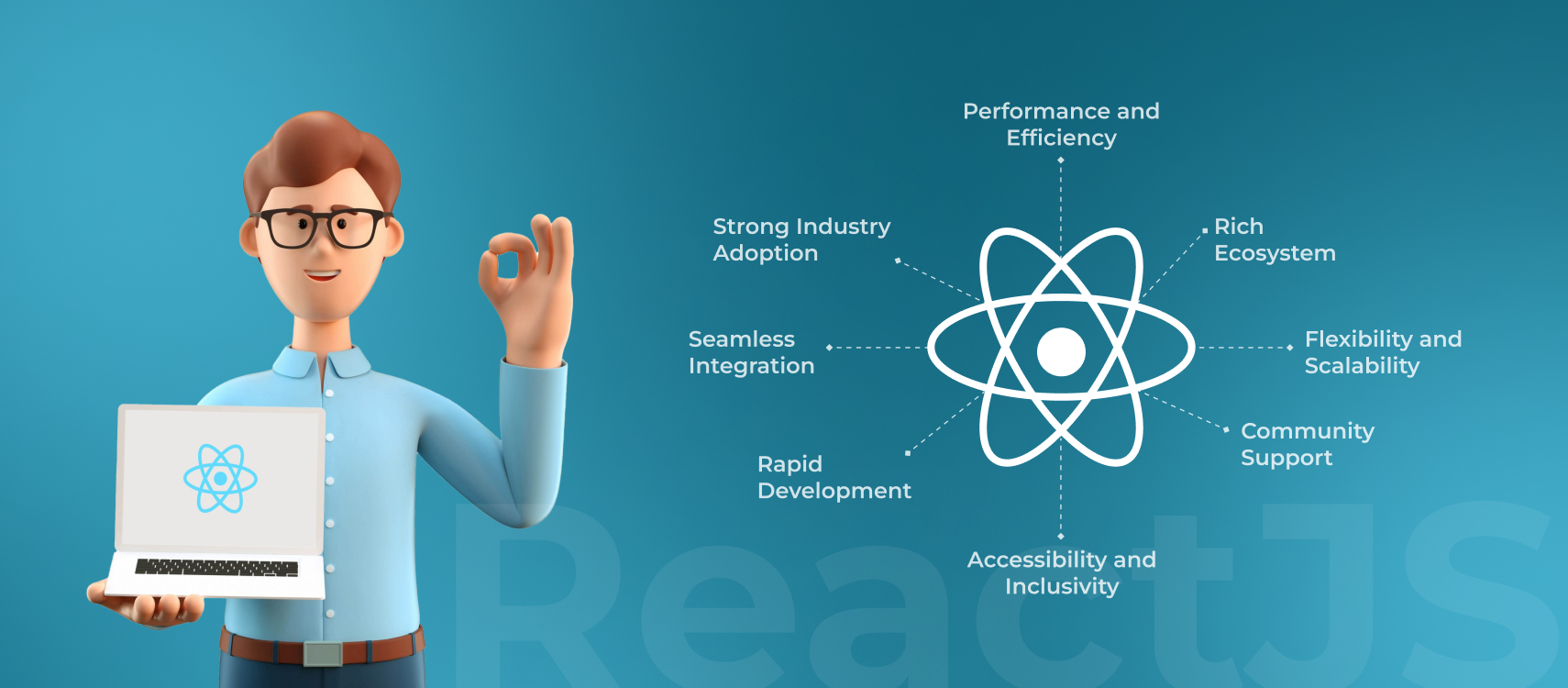
Improved Security in React Applications
React-based applications are adopting better authentication, secure APIs, sandboxed components, and modern encryption methods to protect user data while maintaining high performance and scalability.
These trends show Why custom web applications in 2026 are becoming more intelligent, secure, and scalable than ever before. Businesses that adopt these technologies through modern custom web application development services gain platforms that are faster to evolve, easier to integrate, and better aligned with future Digital demands. Organizations that invest in these trends today will be better positioned to compete, innovate, and grow in an increasingly Software-driven economy.
The Costs and Risks of Web Application
When businesses invest in custom web applications, they are not just paying for software – they are investing in Why their company will operate, scale, and compete in the digital market. Understanding the costs, risks, and planning factors helps avoid expensive mistakes and ensures long-term success.
Custom Web Application Cost Breakdown (Price Range Included)
The cost of custom web application development varies based on complexity, features, and business goals. Below is a realistic industry pricing model used by most custom web application development companies in 2026.
| Project Type | What It Includes | Estimated Price Range |
| Basic Web Application | Login system, admin panel, simple workflows, basic database | $8,000 – $25,000 |
| Business Web Application | User roles, dashboards, integrations, reporting, automation | $25,000 – $75,000 |
| Advanced SaaS Platform | Subscription billing, analytics, APIs, scalable infrastructure | $75,000 – $150,000+ |
| Enterprise Web Application | High security, multi-department access, ERP/CRM integration | $120,000 – $300,000+ |
| AI-Powered Web Application | AI features, automation, predictive analytics, data pipelines | $100,000 – $400,000+ |
These prices reflect real-world web application development services used by Startups, SaaS companies, and enterprises.
Top Web Application Security Risks Businesses Must Address
Modern custom web applications manage customer data, process payments, and provide business intelligence. Without a strong security architecture, even a well-Designed platform becomes a liability.
Below are the most critical security risks that every custom web application development company mitigates during secure application design.
1. Injection Attacks
- Injection flaws occur when untrusted data is sent to an interpreter (such as SQL, NoSQL, or OS commands). So attackers can manipulate databases, steal data, or take control of the system.
- These attacks are common when applications do not validate, filter, or sanitize user input properly.
2. Broken Access Control
- This occurs when users can access data or actions beyond their permission level.
- For example, a customer accessing another customer’s records or an employee accessing admin features.
- This is one of the most common causes of data breaches in web application development services.
3. Sensitive Data Exposure
- Applications that fail to properly encrypt data allow attackers to read passwords, financial records, and personal information.
- This includes weak encryption, storing plain-text passwords, or transmitting data over unsecured connections.
4. Insecure Design
- Security flaws often come from bad system architecture rather than bad code.
- When developers do not plan threat models, access rules, and data flows early, attackers can exploit logical weaknesses.
5. Security Misconfiguration
- This happens when default settings, open ports, debug modes, or unnecessary services remain active.
- It is one of the most frequent causes of breaches in cloud-hosted custom web application development.
6. Cross-Site Scripting (XSS)
- XSS allows attackers to inject malicious scripts into pages viewed by other users.
- These scripts can steal session cookies, redirect users, or manipulate web content.
7. Insecure Deserialization
- When applications accept serialized objects from users, attackers can modify them to execute malicious code.
- This can result in data theft, privilege escalation, or full system takeover.
8. Using Components with Known Vulnerabilities
- Outdated libraries, frameworks, or plugins often contain publicly known security flaws.
- If not updated, attackers can exploit these weaknesses easily.
9. Security Logging and Monitoring Failures
- When breaches happen, organizations often do not detect them because logs are missing or not monitored.
- Without proper logging, attacks go unnoticed for months.
10. Server-Side Request Forgery (SSRF)
- SSRF allows attackers to force the server to send requests to internal or restricted systems.
- This can expose cloud metadata, databases, or internal services.
11. Identification and Authentication Failures
- Weak login systems, broken session handling, or poor password policies allow attackers to hijack accounts.
- This is one of the most exploited risks in SaaS and customer portals.
Organizations using custom web application development services rely on their platforms for revenue, customer trust, and operations.
Conclusion
In 2026, custom web applications are no longer optional tools – they are the digital backbone of Why modern businesses operate, scale, and compete. Unlike websites or off-the-shelf Software, custom web applications are built specifically around a company’s workflows, users, data, and long-term goals.
Through the web application development services, businesses can create secure, cloud-ready platforms that automate operations, improve customer experience, centralize data, and support continuous growth. Whether it is an enterprise system, customer portal, SaaS platform, marketplace, or analytics dashboard, custom web applications development gives organizations full control over performance, security, and scalability.
Working with the right custom web application development company ensures the platform is Designed with modern architecture, strong security, and future-ready technology – so it evolves as the business grows instead of becoming a limitation.