Web App Development
  Cloud App Development
  Front-End Development
  Cross Platform Development
  MVP Development
  Application Modernization
  PWA Development
  SaaS Application Development
  Software Development Outsourcing
  Offshore Custom Software Development
  Full Stack Software Development
  Custom Software Development
  Enterprise Software Development
  Cloud Computing Solutions
  Cloud Development
  Managed Cloud Services
  Cloud Native Development
  AI Consulting
  Machine Learning Development
  LLM Development
  AI Chatbot Development
  Data Analytics
  CI CD Development
  Digital Transformation
  Dev Ops
  Content Development
  Blockchain Development
  Web Development
  Web Design



 Generative AI
  Large Language Model
  AI Chatbot
  AngularJs
  ReactJS
  Dotnet Core
  Android
  iPhone
  Swift
Swift  E-Commerce
  NopCommerce
  BigCommerce
  Laravel
  Yii
Yii  AWS
AWS  Google Cloud
  Azure DevOps
  Automation Testing
  Security Testing
  API Testing
  Functional Testing
  MEAN Stack
  MERN Stack
  Full Stack Developers
  biz.encodedots
  biz@encodedots.com
  +91 738 328 3858


- Cross-Platform Devlopment Solution
- Hybrid App Devlopment Flaws
- Cross-Platform Beating Native
- Summarising
In the ever-evolving landscape of mobile app Devlopment, businesses face a crucial decision: choosing the most suitable Devlopment approach to create applications that resonate with their target audience. Three prominent methodologies include cross-platform app Devlopment, hybrid app Devlopment, and native app Devlopment.
In this brief and well-articulated post, we will try to explain why businesses hire cross-platform app developers, exploring the scenarios where cross-platform approach outshines hybrid and native app Devlopment.
Cross-Platform Devlopment: A Solution for All App Projects
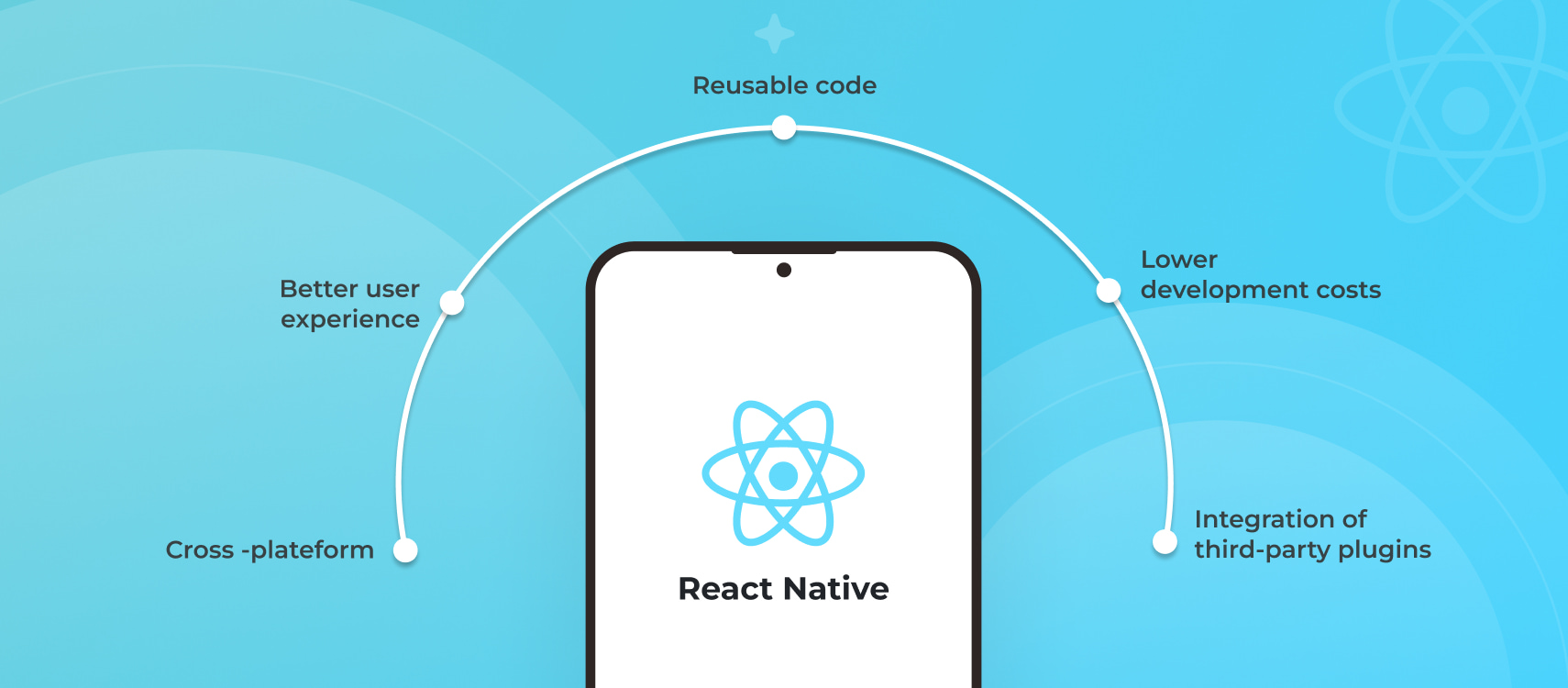
A cross-platform app Devlopment company can streamline app creation across multiple platforms, enabling businesses to create a single codebase that can be deployed on various operating systems. This approach is particularly advantageous in scenarios where uniformity and efficiency are paramount.
Cost Efficiency and Time Savings:
Building separate native apps for different platforms often requires distinct Devlopment teams, each proficient in their respective technology stacks. Cross-platform Devlopment, Whyever, eliminates the need for platform-specific teams, significantly reducing Devlopment costs and time-to-market. By sharing a common codebase, developers can work collaboratively and efficiently, ensuring quicker app deployment and updates.
Consistent User Experience:
Cross-platform Devlopment empowers businesses to maintain a consistent user experience across diverse platforms. A unified user interface (UI) and user experience (UX) Designee can be implemented seamlessly, enhancing brand identity and usability. Users interacting with the app on various devices will encounter a consistent and familiar environment, boosting engagement and loyalty.
Broad Audience Reach:
In a mobile landscape dominated by different operating systems, cross-platform Devlopment facilitates broader audience reach. Businesses can effortlessly tap into multiple markets without the constraints of platform-specific Devlopment, capturing users on iOS and Android alike. This broader reach translates to increased visibility, higher download numbers, and potentially greater revenue streams.
Reduced Learning Curve:
Cross-platform Devlopment leverages web technologies such as HTML, CSS, and JavaScript, making it accessible to a broader pool of developers. Businesses can tap into existing talent with these skills, eliminating the need for specialized platform-specific expertise. This reduced learning curve facilitates quicker onboarding and Devlopment.
The Shortcomings of Hybrid App Devlopment
Hybrid app Devlopment, which combines elements of web and native app Devlopment, offers its own set of advantages but comes with limitations that cross-platform Devlopment can overcome.
Performance and User Experience:
Hybrid apps often struggle to match the performance and user experience of native apps. While they provide a middle ground between web and native apps, they may exhibit slower loading times, subpar graphics, and limitations in utilizing device features and functionalities. Cross-platform Devlopment, with its ability to produce native-like experiences, mitigates these performance concerns.
Limited Access to Device Features:
Hybrid apps rely on web technologies, which can limit their access to certain device features and capabilities. This can hinder the creation of feature-rich, innovative apps that fully utilize a device’s potential. Cross-platform Devlopment’s support for native APIs ensures that developers can harness the full range of device functionalities, resulting in more immersive and versatile app experiences.
App Store Approval Challenges:
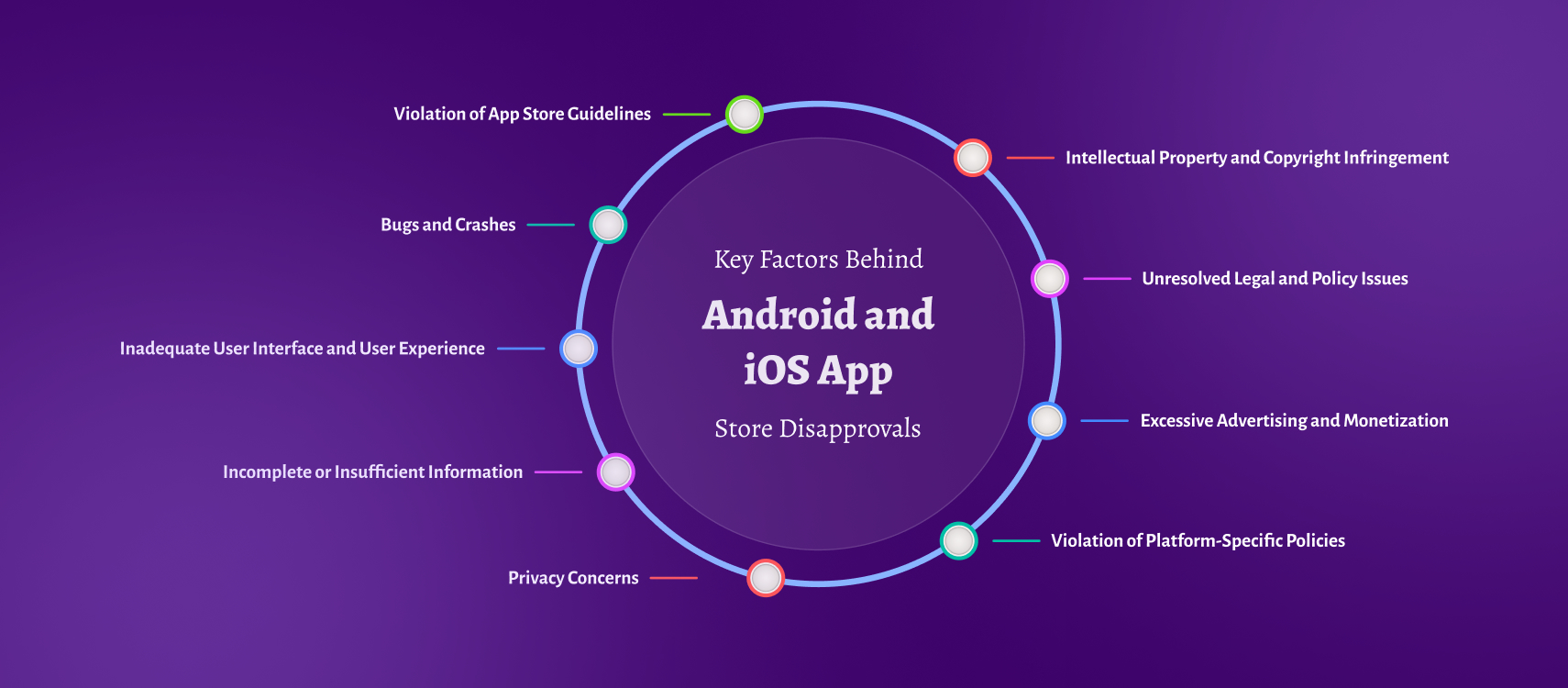
Some app stores, notably Apple’s App Store, may have stricter guidelines for hybrid apps. Such apps may face challenges during the approval process due to perceived performance issues or deviations from native Designee principles. Cross-platform Devlopment’s focus on delivering high-quality native experiences can help mitigate these approval hurdles.
When Cross-Platform Devlopment Surpasses Native Devlopment
While native app Devlopment is renowned for its ability to harness platform-specific features and optimizations, cross-platform Devlopment offers distinct advantages in certain contexts.
Resource Constraints:
Small to medium-sized businesses often face resource constraints, making cross-platform Devlopment an attractive option. It allows them to create competitive, feature-rich apps without the need for separate Devlopment teams for each platform. This approach enables resource-conscious businesses to allocate funds and personnel more efficiently.
Prototyping and MVP Devlopment:
For businesses seeking rapid prototyping or the Devlopment of Minimum Viable Products (MVPs), cross-platform Devlopment shines. The streamlined Devlopment process allows for quicker iterations, enabling businesses to validate ideas and gather user feedback before committing extensive resources to platform-specific Devlopment.
Content-Centric Apps:
Cross-platform Devlopment is particularly well-suited for content-centric apps, such as news readers, e-commerce platforms, and educational apps. These apps rely heavily on content delivery and user engagement, areas in which cross-platform Devlopment’s efficiency and consistent UI/UX can yield impressive results.
Strtups and Emerging Markets:
Strtups and businesses targeting emerging markets can leverage cross-platform Devlopment to swiftly penetrate multiple platforms. The ability to launch on multiple platforms simultaneously can accelerate market entry and adoption, enabling businesses to establish a foothold and gain momentum more rapidly.
Summarising
In the intricate landscape of mobile app Devlopment, the choice between cross-platform Devlopment, hybrid app Devlopment, and native app Devlopment is never blurred. Cross-platform Devlopment emerges as a powerful contender, offering cost efficiency, consistent user experiences, broader audience reach, and streamlined maintenance. This approach is particularly well-suited for resource-constrained businesses, content-centric apps, and Strtups seeking rapid market entry.
While hybrid app Devlopment and native app Devlopment have their merits, cross-platform Devlopment’s ability to deliver high-quality, native-like experiences while maximizing efficiency and reach is unparalleled.