Web App Development
  Cloud App Development
  Front-End Development
  Cross Platform Development
  MVP Development
  Application Modernization
  PWA Development
  SaaS Application Development
  Software Development Outsourcing
  Offshore Custom Software Development
  Full Stack Software Development
  Custom Software Development
  Enterprise Software Development
  Cloud Computing Solutions
  Cloud Development
  Managed Cloud Services
  Cloud Native Development
  AI Consulting
  Machine Learning Development
  LLM Development
  AI Chatbot Development
  Data Analytics
  CI CD Development
  Digital Transformation
  Dev Ops
  Content Development
  Blockchain Development
  Web Development
  Web Design



 Generative AI
  Large Language Model
  AI Chatbot
  AngularJs
  ReactJS
  Dotnet Core
  Android
  iPhone
  Swift
Swift  E-Commerce
  NopCommerce
  BigCommerce
  Laravel
  Yii
Yii  AWS
AWS  Google Cloud
  Azure DevOps
  Automation Testing
  Security Testing
  API Testing
  Functional Testing
  MEAN Stack
  MERN Stack
  Full Stack Developers
  biz.encodedots
  biz@encodedots.com
  +91 738 328 3858


- What Are Website Maintenance Packages?
- Why Ongoing Website Maintenance Matters
- What Is Website Maintenance & Why It’s Critical for Business Growth
- What’s Included in Website Maintenance Packages?
- Types of Website Maintenance Packages Explained
- Website Maintenance Packages for Small Businesses
- Website Maintenance Packages for Enterprise & High-Traffic Websites
- Monthly vs Annual Website Maintenance Packages
- Website Maintenance Pricing
- Website Security & Maintenance Packages
- SEO & Performance Optimization in Website Maintenance Packages
- Website Maintenance Packages vs One-Time Fixes
- Signs Your Business Needs a Website Maintenance Package
- In-House Website Maintenance vs Outsourced Maintenance Packages
- Website Maintenance Packages for WordPress, Shopify & Custom Websites
- Common Website Maintenance Mistakes Businesses Make
- Are You Struggling to Find the Right Website Maintenance Plan?
- Final thoughts
Most businesses don’t realize how important website maintenance is until something goes wrong.
A page suddenly stops loading.
The site feels slow on mobile.
Or worse, you see a browser warning saying the site “may not be secure.”
By the time these issues appear, your visitors have already noticed, and many of them have already left.
According to Google, 53% of users abandon a website if it takes longer than 3 seconds to load, and site performance directly affects search visibility and conversions. At the same time, IBM’s Cost of a Data Breach Report shows that the average data breach now costs businesses over $4.45 million, with outdated software being one of the most common causes.
This is exactly why website maintenance packages exist.
A website isn’t a static brochure; it’s a business system that runs 24/7. Whether you manage a small company website, an e-commerce store, or a high-traffic enterprise platform, ongoing website maintenance is what keeps everything stable, secure, and working the way users expect.
Behind every website are dozens of moving parts: hosting infrastructure, content management systems, plugins, third-party integrations, security certificates, and performance layers. If even one of these components is ignored or left outdated, it can affect the entire site. Broken forms, slow checkout pages, SEO drops, and security vulnerabilities often start with something small that was never maintained.
Website maintenance services are designed to prevent those problems before they impact your business.
A properly maintained website loads faster, stays online longer, and earns more trust both from users and from search engines. Google has openly confirmed that factors like page speed, mobile usability, and site stability influence rankings. This means maintenance isn’t just a technical task; it’s directly connected to SEO performance and online visibility.
Businesses that rely on one-time fixes often end up spending more over time. Emergency repairs, lost leads, downtime, and security cleanup cost far more than consistent, proactive care. In contrast, structured website maintenance plans offer predictability. You know what’s being monitored, what’s updated, and who’s responsible when something needs attention.
Maintenance packages also remove a major mental burden. Instead of reacting to issues, you gain peace of mind through regular backups, security monitoring, software updates, performance checks, and access to technical experts when needed. This allows teams to focus on growth marketing, content, sales, and customer experience without worrying about whether the website will fail at the wrong moment.
In this guide, we’ll explore what website maintenance packages actually include, how different plans work, and how to choose the right option based on your business needs. Whether you need basic website support or a fully managed maintenance solution, understanding how these packages work is the first step toward protecting your website and your revenue.
Because in today’s digital world, a website that isn’t maintained isn’t just outdated, it’s a risk.
What Are Website Maintenance Packages?
Website maintenance packages are ongoing care plans designed to keep your website running the way it’s supposed to every day, not just when something breaks.
Instead of calling a developer only when there’s a problem, a maintenance package puts routine checks, updates, and support on autopilot. Think of it like regular servicing for a car. You don’t wait for the engine to fail before changing the oil; you maintain it so problems never reach that point.
A website maintenance package typically covers the behind-the-scenes work most people don’t think about but rely on constantly. This includes keeping software updated, fixing small issues before they turn into big ones, monitoring performance, backing up data, and making sure the site stays secure as technology changes.
The key difference between a maintenance package and one-time support is consistency. One-off fixes solve today’s issue. Maintenance packages focus on preventing tomorrow’s issues.
For businesses, this means fewer emergencies, predictable costs, and a website that stays reliable even as traffic grows, tools change, and user expectations increase. Whether it’s a simple business site or a complex e-commerce platform, maintenance packages exist to protect the website as a business asset, not treat it like a disposable tool.
Why Ongoing Website Maintenance Matters
A website that isn’t maintained doesn’t slowly decline; it usually fails suddenly.
Most serious website problems don’t start as major issues. They begin with small things: an outdated plugin, a missed update, a minor compatibility issue. Over time, those small issues stack up. Then one day, the site crashes, pages stop loading, or users see a security warning that instantly kills trust.
Ongoing website maintenance matters because your website is often the first impression of your business. If it’s slow, broken, or insecure, users don’t wait; they leave. And once they’re gone, they rarely come back.
Maintenance also plays a direct role in search visibility. Search engines favor websites that load quickly, function properly on mobile, and remain stable over time. A neglected site may still exist online, but it quietly loses ground in rankings, traffic, and credibility.
From a business perspective, maintenance protects more than just technology it protects revenue. Downtime means missed leads. Broken forms mean lost inquiries. Security issues can damage customer trust overnight. These are risks most businesses can’t afford, especially when the cost of prevention is far lower than the cost of recovery.
Ongoing maintenance shifts your website from a reactive state to a proactive one. Instead of responding to problems under pressure, you reduce the chances of those problems happening at all. That stability allows teams to focus on growth marketing, content, campaigns, and customer experience without constantly worrying about whether the website will hold up.
What Is Website Maintenance & Why It’s Critical for Business Growth
Website maintenance is the ongoing process of keeping a website secure, fast, functional, and up to date. It’s not about redesigning pages or adding new features every week; it’s about making sure everything that already exists continues to work the way it should.
In simple terms, website maintenance is what keeps your site healthy after it goes live.
It includes routine tasks like updating software, monitoring performance, fixing small errors, checking security, and making sure the site works properly across devices and browsers. These are not one-time actions. They’re continuous because websites operate in an environment that constantly changes new browser versions, new security threats, new search engine updates, and new user expectations.
For businesses, this matters more than many realize.
The Real Risks of Ignoring Website Maintenance
When website maintenance is ignored, problems rarely appear all at once. They build quietly in the background.
An outdated plugin might still work today, but not after the next update.
A small performance issue may seem harmless until mobile users start dropping off.
A missed security patch may go unnoticed until the site is compromised.
By the time issues become visible, the impact is already felt. Visitors lose trust. Leads stop coming in. Sales slow down. In some cases, websites go offline completely or display security warnings that drive users away instantly.
What makes this risky is that many business owners don’t notice these issues right away. A form may break without anyone realizing it. Pages may load slowly only on certain devices. Search rankings may drop gradually, making the cause harder to identify.
Ignoring maintenance doesn’t save money; it delays problems until they become more expensive and disruptive.
How Website Maintenance Impacts Security, Performance, and SEO
Website maintenance directly affects three areas that are critical for business growth: security, performance, and search visibility.
From a security perspective, maintenance is your first line of defense. Regular updates and monitoring reduce the risk of malware, data breaches, and unauthorized access. A single security incident can damage customer trust overnight, especially if personal or payment information is involved.
Performance is just as important. A well-maintained website loads faster, works smoothly on mobile devices, and delivers a better user experience overall. Speed and stability influence how long users stay on your site, how many pages they visit, and whether they take action. Even small performance issues can lead to lost conversions over time.
SEO is closely tied to both security and performance. Search engines favor websites that are fast, stable, mobile-friendly, and consistently available. When a site is poorly maintained, search engines begin to treat it as unreliable. Rankings drop, organic traffic declines, and visibility suffers often without obvious warning signs.
In contrast, websites that are regularly maintained tend to perform better across all three areas. They rank more consistently, convert more effectively, and create fewer technical obstacles for growth.
What’s Included in Website Maintenance Packages? (Complete Breakdown)
When businesses sign up for a website maintenance package, they’re not just paying for “updates.” They’re investing in stability, protection, and ongoing support for one of their most important digital assets. A good maintenance package quietly handles the technical work in the background so the website stays reliable, secure, and ready to support growth.
Here’s what businesses should realistically expect when they choose a professional website maintenance package.
Core Services You Can Expect in a Maintenance Package
At the heart of every website maintenance package are services designed to keep the site functioning smoothly day after day. These are not optional add-ons; they’re essential.
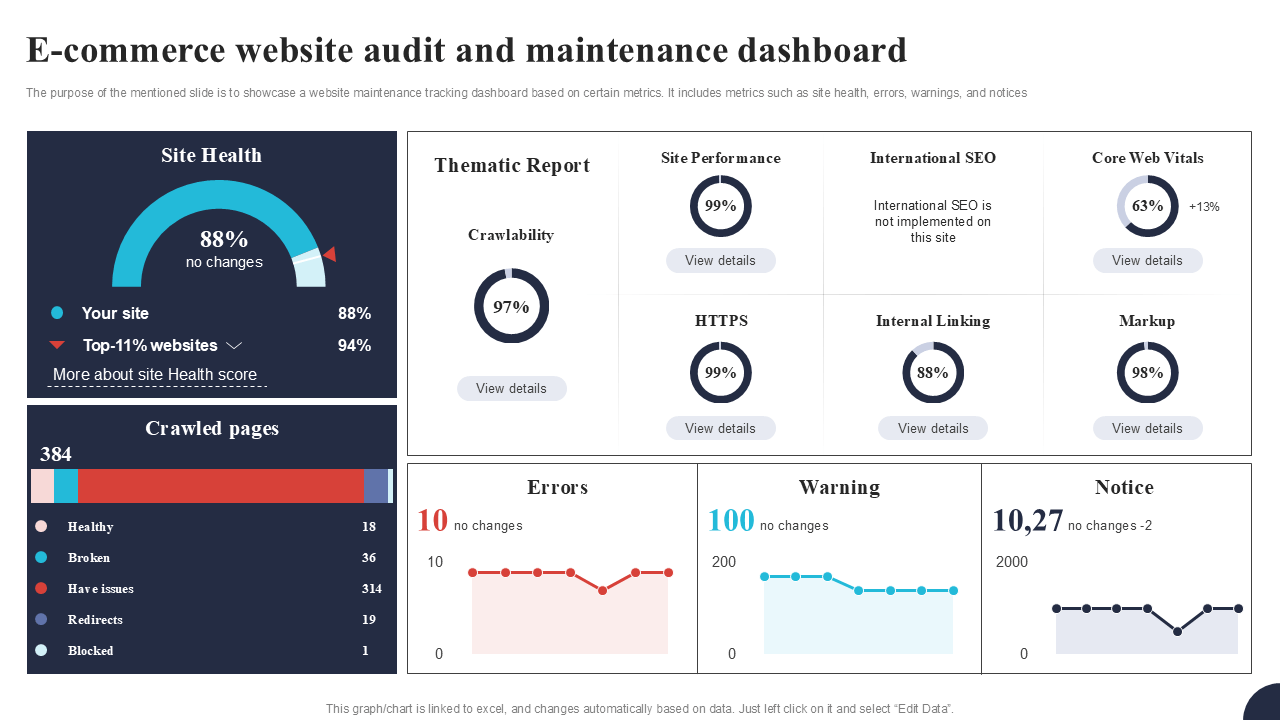
This typically includes regular software updates for the website platform, themes, and plugins or extensions. Updates aren’t just about new features; they often fix bugs, close security gaps, and improve compatibility. Skipping them is one of the most common reasons websites break unexpectedly.
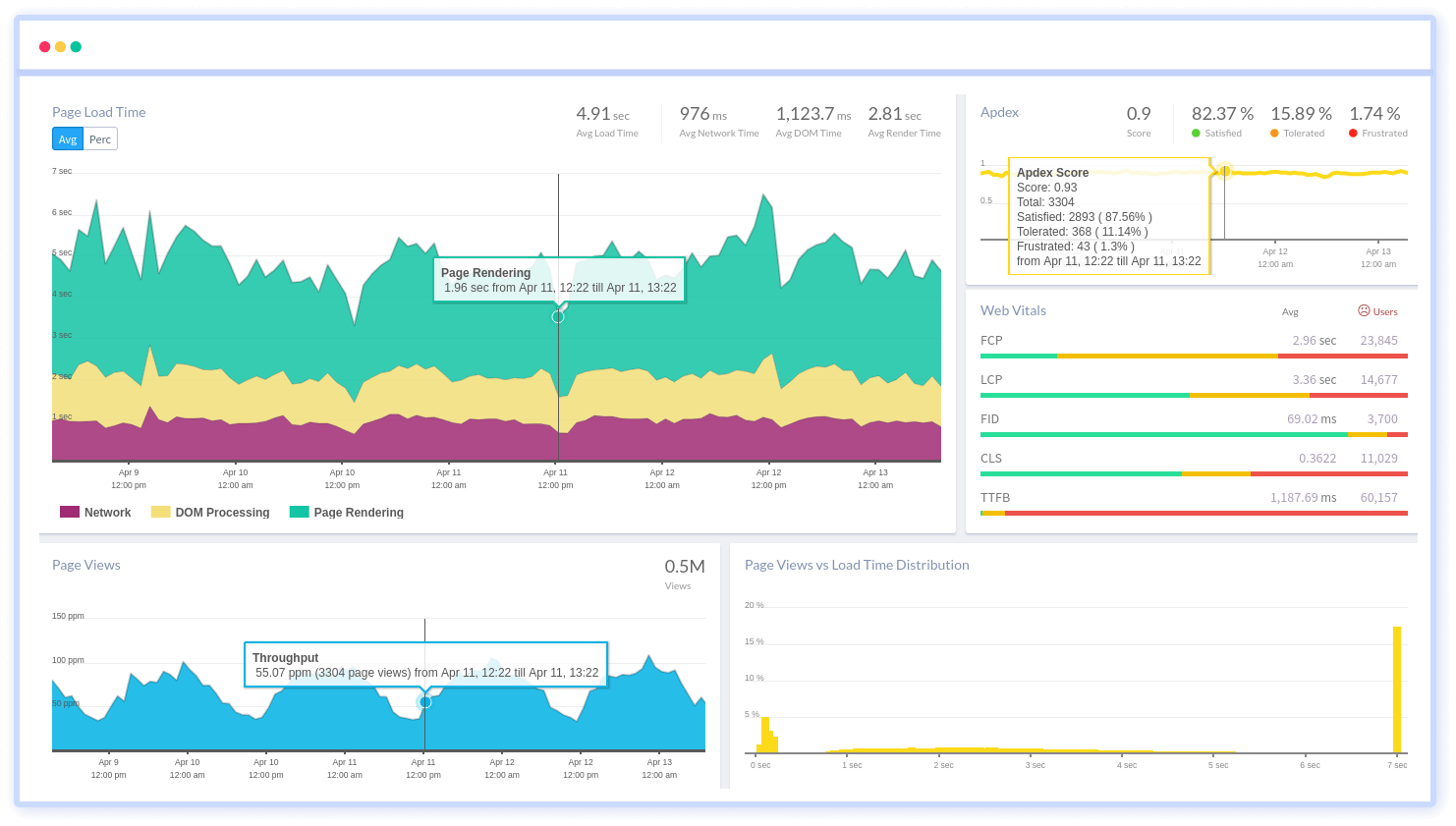
Maintenance packages also cover routine website health checks. These checks look for broken links, layout issues, error messages, and functionality problems that might not be obvious to visitors at first but can quietly hurt user experience and conversions.
Another core element is performance maintenance. This involves monitoring page speed, load times, and responsiveness, especially on mobile devices. Over time, even well-built websites can slow down due to content growth, outdated scripts, or third-party tools. Ongoing maintenance ensures performance issues are identified and addressed before they impact users or SEO.
Updates, Backups, Monitoring, and Ongoing Support
One of the biggest advantages of a maintenance package is proactive care.
Regular backups are a critical part of this. A reliable provider ensures your website data is backed up on a consistent schedule and stored securely. If something goes wrong, whether it’s a failed update, server issue, or security incident, the site can be restored quickly without major downtime or data loss.
Monitoring is another key component. Maintenance packages often include uptime monitoring, security monitoring, and error tracking. This means problems are detected early, sometimes before business owners even notice there’s an issue. Instead of reacting to customer complaints, issues are addressed quietly and efficiently.
Support is where maintenance packages truly show their value. Rather than searching for help when something breaks, businesses have access to technical support when they need it. This might include fixing bugs, resolving compatibility issues, answering technical questions, or assisting with minor site changes. Having a dedicated support channel saves time, reduces stress, and prevents small issues from escalating.
What Businesses Should Expect From a Maintenance Provider
Beyond the technical tasks, a good website maintenance provider offers clarity, accountability, and reliability.
Businesses should expect clear communication about what’s included in their package and how often tasks are performed. Maintenance shouldn’t feel mysterious or hidden. Regular reports, status updates, or summaries help businesses understand what’s being done and why it matters.
Consistency is another key expectation. Maintenance is not a one-time effort; it’s ongoing. Providers should follow structured processes, use best practices, and respond promptly when issues arise. Reliable turnaround times and transparent workflows build trust over time.
Most importantly, a professional maintenance provider acts as a partner, not just a technician. They understand that the website supports real business goals, leads, sales, credibility, and growth. Their role is to protect that foundation so marketing, content, and sales efforts aren’t undermined by technical problems.
Types of Website Maintenance Packages Explained
Not every business needs the same level of website maintenance. A small company website and a high-traffic enterprise platform face very different risks, workloads, and expectations. That’s why website maintenance packages are typically structured in tiers, each designed to match a specific stage of business growth.
Below is a clear, practical explanation of the most common types of website maintenance packages and who they’re actually meant for.
Basic Website Maintenance Packages
Basic website maintenance packages are designed for simple, low-risk websites that don’t change often but still need regular care. These plans focus on keeping the website stable rather than actively improving it.
They usually include essential updates, basic security checks, and routine backups to ensure the site continues to function properly. The goal is to prevent obvious issues such as broken pages, outdated software, or minor security risks without adding unnecessary complexity or cost.
This type of package works well for small business websites, brochure-style sites, or early-stage startups that rely on their website for credibility but don’t require frequent changes or advanced support.
Standard / Professional Maintenance Plans
Standard or professional website maintenance plans are the most popular choice for growing businesses. These plans go beyond basic upkeep and focus on performance, reliability, and ongoing support.
In addition to regular updates and backups, professional plans typically include performance monitoring, stronger security measures, and access to technical support for fixes and small changes. These packages are designed for businesses that actively use their website for marketing, lead generation, or e-commerce.
If your website plays a direct role in acquiring customers or generating revenue, a standard maintenance plan helps ensure it stays fast, secure, and dependable without constant firefighting.
Advanced or Enterprise-Level Maintenance Packages
Advanced or enterprise-level website maintenance packages are built for high-traffic, business-critical websites where downtime, security issues, or performance drops can have a serious financial impact.
These packages focus on proactive monitoring, rapid issue response, advanced security controls, and continuous performance optimization. Enterprise-level maintenance often includes dedicated support, priority response times, and deeper technical oversight across hosting, integrations, and infrastructure.
This type of plan is best suited for e-commerce platforms, SaaS products, large corporate websites, and organizations that cannot afford disruptions or instability.
Custom Website Maintenance Solutions
Not all websites fit neatly into predefined plans. Custom website maintenance solutions are designed for businesses with unique technical requirements or evolving needs.
A custom plan allows businesses to choose exactly what they need, whether that’s increased support hours, platform-specific maintenance, integration management, or compliance-driven security measures. These solutions are flexible and can evolve as the website and business grow.
Custom maintenance is often the best option for companies using multiple systems, complex integrations, or non-standard technology stacks where one-size-fits-all plans fall short.
Read more about: How Much Does Website Maintenance Cost?
Website Maintenance Packages for Small Businesses
For small businesses, a website is often the main source of credibility, leads, and customer trust. Yet it’s also one of the most commonly neglected assets, usually because of budget concerns or the belief that “nothing has gone wrong yet.” The reality is that small business websites need maintenance just as much as large ones, just done smarter and more efficiently.
That’s where the right website maintenance package makes a real difference.
Budget-Friendly Maintenance Needs for Small Businesses
Small businesses don’t need complex, enterprise-level maintenance, and they shouldn’t pay for it. What they need is focused, cost-effective care that prevents problems without unnecessary extras.
Budget-friendly maintenance packages are designed to cover the essentials while keeping costs predictable. Instead of reacting to emergencies or paying hourly fees when something breaks, small businesses benefit from a fixed plan that quietly handles routine upkeep in the background.
The goal isn’t to over-optimize; it’s to ensure the website stays online, secure, and usable at all times. This approach protects limited budgets while avoiding expensive surprises caused by neglected updates or security issues.
Essential Services SMBs Should Never Skip
Even the smallest business websites rely on multiple systems working together. Certain maintenance services are simply non-negotiable if the site is expected to support growth.
Core essentials include regular software and plugin updates to prevent compatibility issues, basic security checks to reduce the risk of hacks, and consistent backups so the site can be restored quickly if something goes wrong. Performance monitoring is also important because slow websites lose visitors, especially on mobile.
Another essential is access to reliable support. Small businesses often don’t have in-house technical teams, so knowing someone is available to fix issues or answer questions removes a major operational burden. These essentials form the backbone of effective website maintenance for SMBs.
Common Website Maintenance Mistakes Small Businesses Make
One of the biggest mistakes small businesses make is assuming maintenance can wait. Many only act after the website crashes, forms stop working, or customers report issues. By then, the financial and reputational is much higher.
Another common mistake is relying on one-time fixes instead of ongoing care. Hiring a developer only when something breaks may seem cheaper, but over time, it leads to inconsistent performance, recurring issues, and higher overall costs.
Some businesses also choose the cheapest possible maintenance option without understanding what’s included. Plans that skip backups, security monitoring, or regular updates may look affordable upfront, but often fail when they’re needed most.
Finally, many small businesses underestimate how closely website health is tied to trust. A slow or insecure site can make even a great business look unprofessional, costing opportunities that are never tracked or recovered.
Website Maintenance Packages for Enterprise & High-Traffic Websites
For enterprise businesses and high-traffic websites, maintenance is not a background task; it’s a business-critical operation. When thousands of users rely on a website every day, even a few minutes of downtime, slow performance, or a security incident can lead to lost revenue, damaged reputation, and operational disruption.
That’s why website maintenance at the enterprise level looks very different from standard or small-business plans.
Scalability and Uptime Are Non-Negotiable
Enterprise websites are built to grow, and maintenance must support that growth without friction. Traffic spikes from campaigns, seasonal demand, product launches, or global users shouldn’t slow the site down or cause instability.
Maintenance packages for high-traffic websites focus heavily on uptime monitoring, performance consistency, and infrastructure readiness. This means ensuring the website can handle sudden traffic increases, integrations continue working under load, and performance remains stable across regions and devices.
For enterprise businesses, uptime isn’t just a technical metric; it’s directly tied to customer trust, operational continuity, and revenue protection. A maintenance plan at this level is designed to reduce risk, not just fix problems after they occur.
Advanced Security and Compliance Requirements
Security expectations increase significantly as businesses scale. Enterprise websites often handle sensitive customer data, payments, or internal systems, making them a more attractive target for cyber threats.
Advanced maintenance packages go beyond basic updates. They focus on continuous security monitoring, proactive vulnerability management, and strict access controls. Compliance also becomes a major factor, especially for businesses operating across industries or regions with regulatory requirements.
Regular security audits, controlled update processes, and incident response planning are essential parts of enterprise-level maintenance. The goal isn’t only to prevent breaches, but to ensure the website remains compliant, trustworthy, and resilient even as threats evolve.
Dedicated Support and Continuous Monitoring
Enterprise websites cannot rely on “best effort” support. When issues arise, response time matters.
High-level maintenance packages include dedicated technical support and round-the-clock monitoring. Problems are detected early, often before users are affected and handled by specialists who understand the website’s architecture and business impact.
This level of support removes uncertainty. Teams know who is responsible, how issues are escalated, and how quickly they will be resolved. Instead of firefighting under pressure, enterprises benefit from structured processes, clear accountability, and predictable outcomes.
Monthly vs Annual Website Maintenance Packages: Which Is Better?
Choosing between a monthly or annual website maintenance package isn’t just a pricing decision; it’s a planning decision. The right option depends on how your business operates, how predictable your website needs are, and how much stability you want around cost and support.
Let’s look at this comparison in a practical, business-first way.
Cost Comparison: Short-Term Spend vs Planned Savings
At first glance, monthly website maintenance packages feel more affordable. The lower upfront cost makes them easier to start, especially for businesses watching cash flow. You pay as you go, spread the expense over time, and avoid a larger one-time commitment.
Annual maintenance packages usually come with a discounted rate when compared to paying month by month. While the upfront payment is higher, the total yearly cost is often lower. Providers can plan resources better with long-term commitments, and those savings are typically passed on to the client.
For businesses that already know maintenance is essential, annual plans tend to be more cost-efficient over time. Monthly plans, on the other hand, prioritize short-term flexibility over long-term savings.
Long-Term Benefits: Stability Beats Reaction
Website maintenance works best when it’s consistent. Over time, regular updates, monitoring, and performance checks compound into fewer issues, better uptime, and smoother site performance.
Annual maintenance packages are built around this long-term mindset. They encourage proactive care rather than reactive fixes. Because the provider is committed to the full year, maintenance tends to follow a structured schedule with fewer gaps and more strategic oversight.
Monthly plans still provide value, but they’re often treated as operational support rather than a long-term strategy. Businesses on monthly plans may pause or switch providers more frequently, which can sometimes lead to missed updates or fragmented maintenance history.
If your website is central to revenue, lead generation, or brand credibility, long-term consistency usually delivers better results than short-term convenience.
Flexibility vs Commitment: What Fits Your Business?
Flexibility is the biggest advantage of monthly maintenance packages. They’re ideal for businesses that are:
- Testing a new website or provider
- Unsure about long-term technical needs
- Experiencing rapid changes in strategy or structure
Monthly plans allow you to adjust, upgrade, or exit with minimal friction.
Annual maintenance packages, by contrast, are about commitment and confidence. They’re best suited for businesses with stable operations, predictable website usage, and a clear understanding of their maintenance needs. The commitment reduces decision fatigue, has no monthly renewals, no repeated evaluations, and just continuous support.
Neither option is inherently better. The “right” choice depends on whether your business values flexibility right now or stability over time.
Website Maintenance Pricing: How Much Should You Really Pay?
Website maintenance pricing is one of the most confusing parts for businesses, and for good reason. Prices can range from very low monthly fees to premium plans that cost thousands a year. The problem isn’t the range itself. It’s that many businesses don’t know what they’re actually paying for.
The right question isn’t “What’s the cheapest option?”
It’s “What level of maintenance does my website truly need to stay reliable and profitable?”
Understanding Website Maintenance Pricing Models
Website maintenance is usually priced in one of three ways.
Some providers offer fixed monthly or annual plans. These are the most common and the easiest to manage. You pay a predictable fee and receive a defined set of services on a regular schedule. This model works well for businesses that want stability and don’t want to think about maintenance every month.
Others use an hour-based or on-demand model, where you pay only when something needs fixing. While this may seem flexible, it often becomes unpredictable. Small issues add up, response times vary, and costs can spike when multiple problems occur at once.
There are also custom pricing models, typically used for high-traffic or complex websites. These plans are tailored around infrastructure, security requirements, integrations, and support levels. While they cost more, they’re designed to reduce risk for business-critical websites.
Each model serves a purpose, but not every model suits every business.
What Actually Affects the Cost of Website Maintenance
Website maintenance pricing isn’t arbitrary. Several real factors influence what you should expect to pay.
The size and complexity of your website play a major role. A five-page business site requires far less work than an e-commerce platform with hundreds of products, user accounts, and payment systems.
The technology stack also matters. Websites built on popular CMS platforms with multiple plugins or integrations require more frequent updates and monitoring. Custom-built systems usually demand deeper technical oversight.
Another key factor is how important the website is to your revenue. If your site generates leads, processes payments, or supports daily operations, the cost of downtime or failure is far higher. Maintenance pricing reflects that risk.
Support expectations also affect cost. Faster response times, ongoing monitoring, and hands-on support naturally require more resources than basic upkeep alone.
Red Flags to Watch for in Cheap Maintenance Plans
Low-cost maintenance plans often look attractive, but they can hide serious gaps.
One major red flag is an unclear service scope. If a provider can’t clearly explain what’s included, what’s monitored, and how often tasks are performed, that’s a warning sign.
Another issue is reactive-only support. Cheap plans often fix problems only after they happen, rather than preventing them. This leads to downtime, lost traffic, and emergency costs that cancel out any initial savings.
Lack of backups or security monitoring is another common issue. These are essentials, not extras. A plan that skips them puts your website and your business at risk.
Finally, be cautious of plans that rely entirely on automation with no real human oversight. Automation helps, but websites still need expert judgment when things go wrong.
Website Security & Maintenance Packages: What You Should Never Skip
Website security is one area where shortcuts almost always come back to hurt the business. Many companies assume their website is “safe enough” simply because it hasn’t been attacked yet. In reality, security issues rarely give a warning. When they surface, the damage is often immediate: lost trust, lost traffic, and sometimes lost data.
That’s why security-focused maintenance isn’t optional. Certain elements must always be part of a website maintenance package, no matter the size of the business or the type of website.
Malware Protection: Stopping Threats Before They Spread
Malware doesn’t just target large companies. In fact, small and mid-sized websites are often easier targets because they’re less actively monitored.
Malware protection is about more than reacting after an infection. It involves continuous scanning, early detection, and immediate response. Without this layer, malicious code can sit quietly on a website, redirect visitors, steal data, or trigger browser warnings that scare users away.
Once search engines or browsers flag a site as unsafe, recovering trust can take weeks or longer. That’s why malware protection should always be proactive, not reactive. It’s one of the simplest ways to protect both your website and your reputation.
Security Patches: Closing Doors Before They’re Exploited
Every website relies on software, and every piece of software eventually reveals vulnerabilities. Security patches exist to close those gaps, but only if they’re applied on time.
Unpatched systems are one of the most common entry points for attackers. A plugin, theme, or core update that’s delayed for “later” can quietly become the weakest link in the entire site.
Security-focused maintenance ensures updates are handled carefully and consistently, reducing the risk of exploits without breaking site functionality. This balance is critical. Ignoring updates invites risk, while careless updates can cause downtime. Proper maintenance handles both.
Backup and Disaster Recovery: Your Safety Net When Things Go Wrong
Even with strong security in place, no website is immune to failure. Human error, failed updates, server issues, or external attacks can still cause serious problems.
This is where backups and disaster recovery become essential.
Regular, reliable backups mean your website can be restored quickly if something goes wrong. Not days later. Not weeks later. Quickly. A proper maintenance package doesn’t just create backups; it ensures they’re stored safely, tested periodically, and ready when needed.
Disaster recovery is about minimizing damage. Instead of starting from scratch or losing critical data, businesses can recover and resume operations with minimal disruption.
SEO & Performance Optimization in Website Maintenance Packages
SEO and performance optimization aren’t one-time tasks; they’re ongoing responsibilities. A website can be perfectly optimized on launch and still lose speed, rankings, and visibility over time if performance and technical SEO aren’t actively maintained. That’s why strong website maintenance packages treat SEO and performance as continuous care, not occasional fixes.
When done right, this kind of maintenance quietly protects traffic, conversions, and long-term growth.
Page Speed Optimization: Keeping the Site Fast as It Grows

Websites naturally get heavier over time. New content, images, scripts, tracking tools, and integrations slowly add weight even when nothing “looks wrong” on the surface.
Page speed optimization within a maintenance package focuses on keeping load times consistently fast, especially on mobile. This includes monitoring speed regularly, identifying what’s slowing the site down, and fixing issues before users feel the impact.
Fast websites don’t just feel better, they perform better. Users stay longer, interact more, and are far more likely to convert. From a business standpoint, page speed maintenance protects marketing spend by ensuring paid and organic traffic doesn’t land on a slow, frustrating experience.
Core Web Vitals: Maintaining Real User Experience Signals
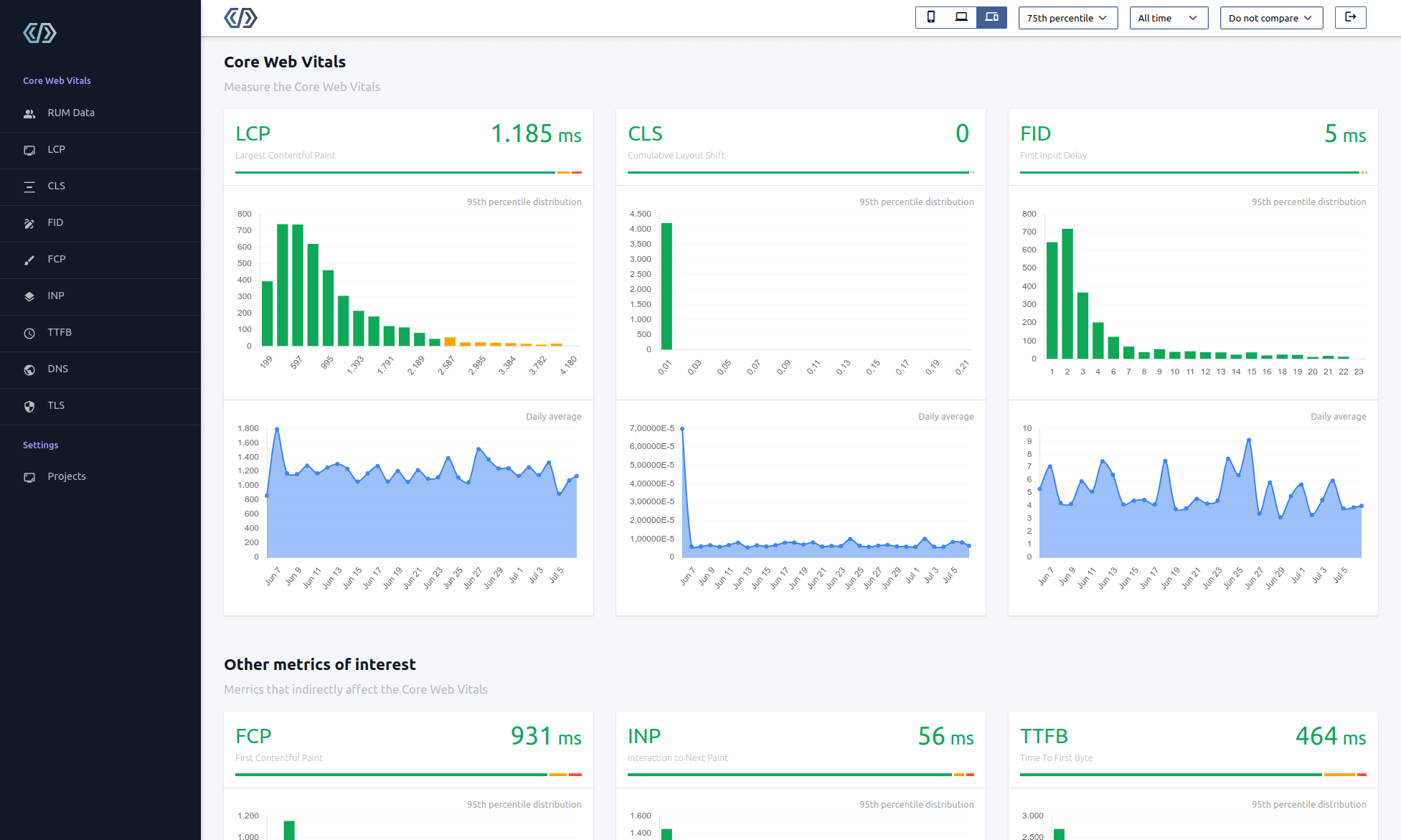
Core Web Vitals measure how real users experience a website, not how it looks in theory. These metrics focus on loading speed, visual stability, and interactivity, and they change as websites evolve.
Maintenance packages that include Core Web Vitals monitoring ensure these signals don’t quietly degrade over time. A site might pass today and fail months later due to small changes that go unnoticed. Ongoing checks help catch those shifts early.
By maintaining healthy Core Web Vitals, businesses protect both user experience and search visibility. It’s not about chasing scores; it’s about making sure the website remains smooth, responsive, and trustworthy for real visitors.
Technical SEO Maintenance: Protecting Search Visibility Behind the Scenes
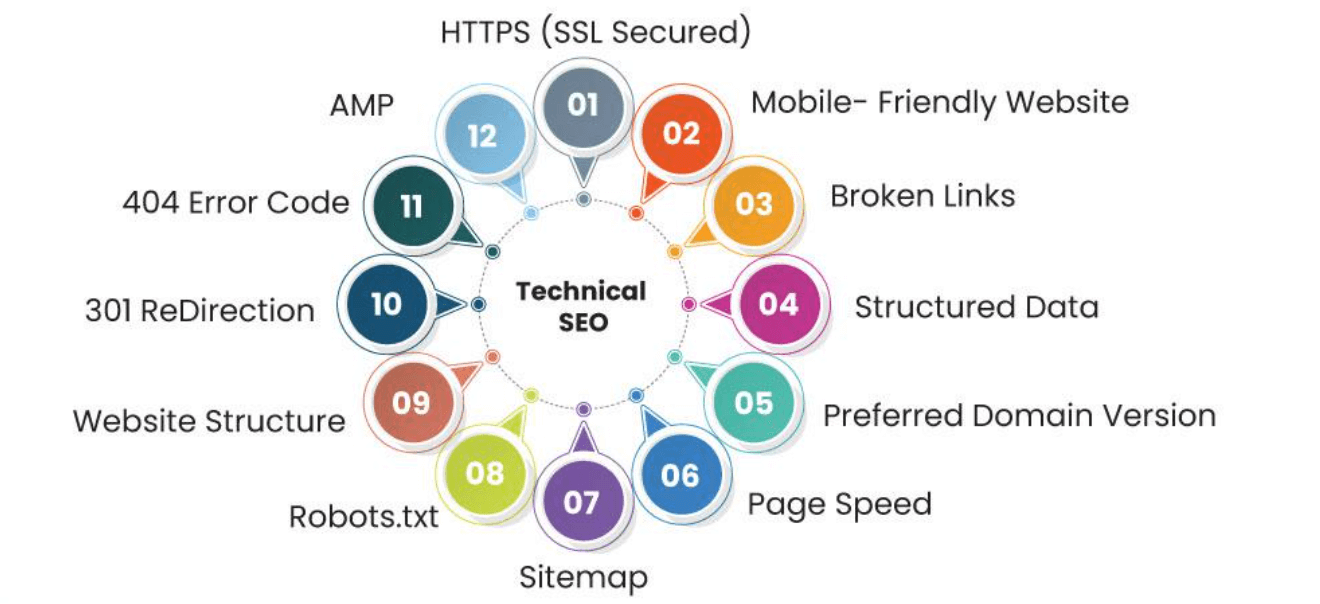
Technical SEO is the foundation that allows search engines to crawl, understand, and trust a website. Over time, technical issues can appear even if the content hasn’t changed.
SEO-focused maintenance covers things like broken links, crawl errors, indexing issues, redirect problems, and mobile usability checks. It also ensures updates or site changes don’t accidentally block search engines or damage existing rankings.
Without ongoing technical SEO maintenance, small issues can compound. Rankings slip, traffic drops, and the cause isn’t always obvious. Regular checks prevent these slow declines and keep the website aligned with search engine expectations.
Website Maintenance Packages vs One-Time Fixes
Many businesses face this decision at some point:
Do we fix issues only when they appear, or do we invest in ongoing website maintenance?
At first glance, one-time fixes often feel like the simpler and cheaper option. But when you look beyond the immediate problem, the difference between short-term fixes and ongoing maintenance becomes very clear.
Long-Term Value vs Short-Term Fixes
One-time fixes are reactive by nature. Something breaks, slows down, or stops working, and you pay to fix that specific issue. Once it’s resolved, the relationship usually ends until the next problem appears.
Website maintenance packages work differently. Instead of waiting for failures, they focus on keeping problems from happening in the first place. Updates are handled regularly, performance is monitored continuously, and small issues are resolved before they turn into visible disruptions.
Over time, this proactive approach creates long-term value. The website remains stable, predictable, and dependable. Marketing efforts perform better, user trust stays intact, and growth isn’t interrupted by avoidable technical issues.
Short-term fixes may solve today’s problem. Maintenance protects tomorrow’s results.
Cost and Risk: What Businesses Often Overlook
One-time fixes can appear cost-effective because you only pay when something goes wrong. The hidden cost is uncertainty. You never know when the next issue will happen, how serious it will be, or how much it will cost to repair under pressure.
Emergency fixes often come with higher fees, rushed decisions, and downtime that affects leads, sales, or customer confidence. Over time, these unplanned expenses usually add up to more than a structured maintenance plan.
Website maintenance packages spread the cost evenly and reduce risk. Instead of surprise bills, businesses get predictable pricing and fewer emergencies. Problems are handled calmly and methodically, not during outages or high-stress moments.
From a risk perspective, ongoing maintenance significantly lowers the chances of security incidents, prolonged downtime, and performance-related losses.
Why Ongoing Maintenance Wins in the Long Run
Websites don’t fail all at once. They fail because small issues are ignored for too long.
Ongoing maintenance wins because it treats the website as a living business system, not a static asset. It keeps software current, performance stable, and security strong without requiring constant attention from business owners.
For companies that rely on their website for visibility, credibility, or revenue, maintenance isn’t an upgrade; it’s protection. It ensures that the website supports growth instead of becoming a source of risk or distraction.
Signs Your Business Needs a Website Maintenance Package
Most businesses don’t wake up one day and decide they need website maintenance. Instead, they experience a series of small, frustrating issues that slowly start affecting customers, leads, and revenue. What makes it tricky is that these signs rarely feel urgent at first. They’re easy to ignore until they’re not.
If your website is central to how customers find you, trust you, or buy from you, these warning signs deserve attention.
When Performance Issues Start Affecting Real Users

One of the earliest signs that a website needs ongoing maintenance is performance decline. Pages that once loaded quickly start taking longer, especially on mobile devices. Images lag, buttons respond slowly, and users abandon pages before they fully load.
What many businesses don’t realize is that performance problems often develop gradually. New content, tracking scripts, third-party tools, and integrations are added over time. Individually, they seem harmless. Together, they can slow a site down enough to impact user experience and conversions.
When visitors start leaving faster, engagement drops, or customers complain that the site feels “slow,” it’s usually not a design issue; it’s a maintenance issue. Without regular performance monitoring and optimization, these problems quietly grow until they start costing the business real opportunities.
Security Warnings That Instantly Break Trust
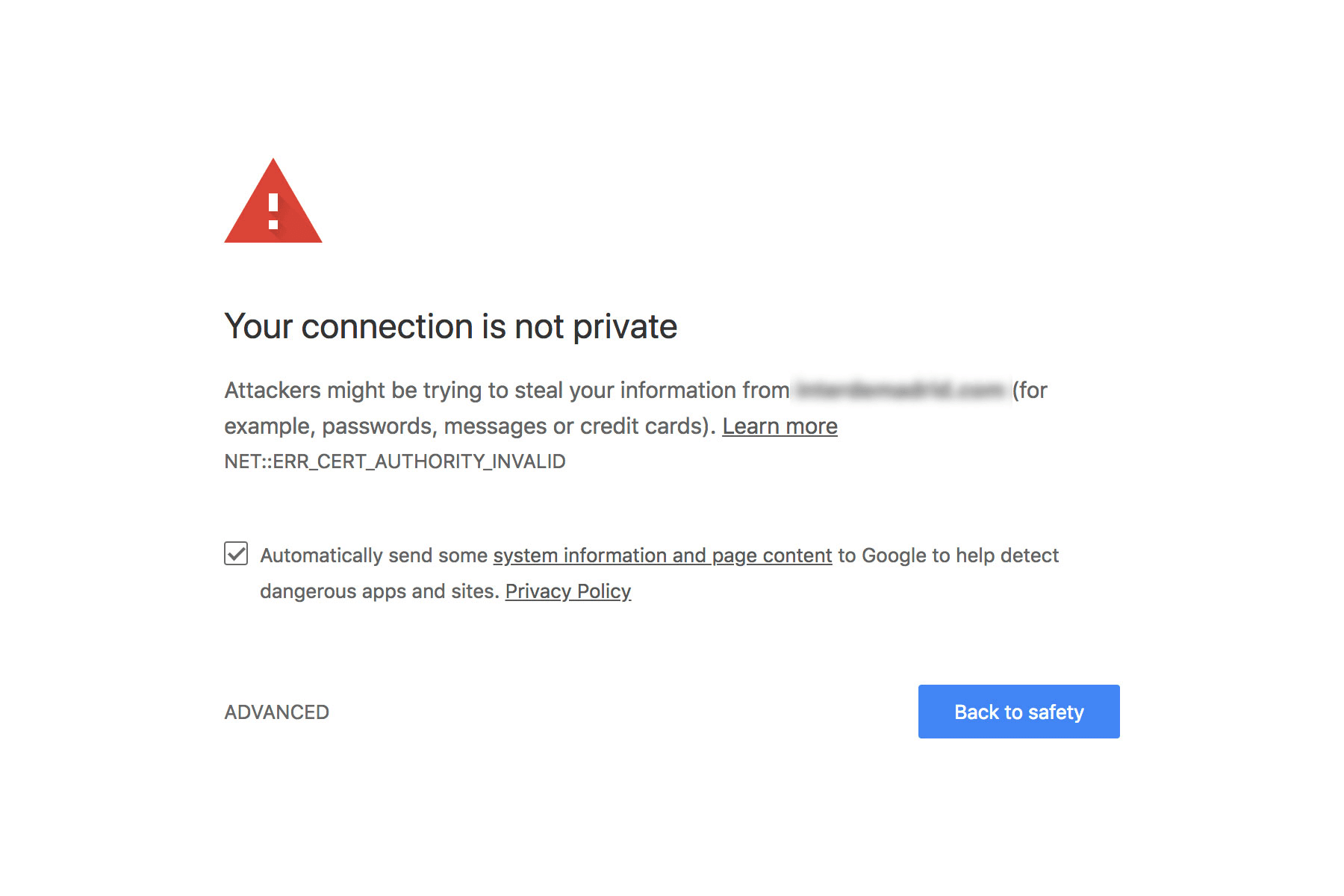
Nothing damages credibility faster than a security warning.
If visitors see messages like “This site may not be secure” or browsers block access altogether, trust is lost immediately. Most users don’t investigate further; they leave. And once trust is broken, getting it back is difficult.
Security warnings don’t appear randomly. They’re often caused by expired certificates, outdated software, missed updates, or vulnerabilities that were never addressed. These are exactly the kinds of issues ongoing website maintenance is meant to prevent.
Even if a site hasn’t been hacked, small lapses in security upkeep can trigger warnings that make a legitimate business look unsafe. If your website handles forms, user data, or payments, these risks are amplified. At that point, maintenance is no longer optional; it’s necessary protection.
Downtime, Errors, and “Something’s Not Working” Messages
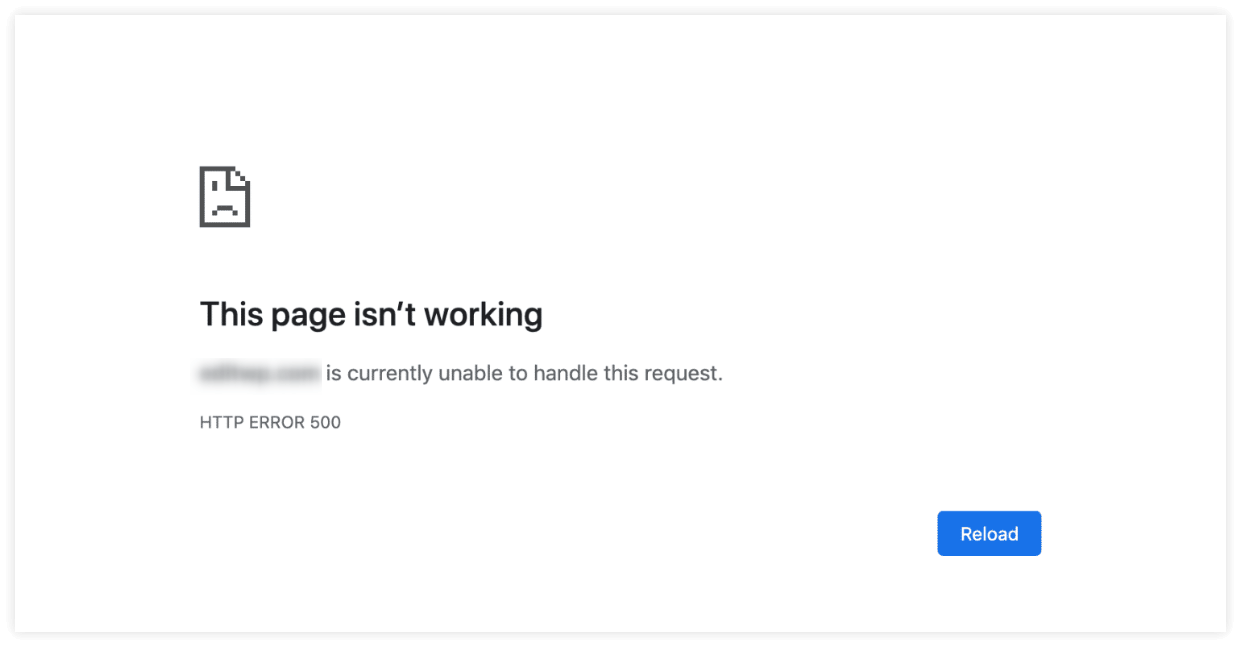
Another clear sign is frequent downtime or unexplained errors.
If the website goes offline occasionally, pages return errors, or features stop working without warning, it’s a strong indication that the site isn’t being actively monitored or maintained. These issues are especially damaging because they often happen without the business noticing right away.
A checkout page failing, a contact form breaking, or a landing page not loading properly can result in lost leads and sales that are never tracked. Customers don’t report every issue; they simply move on.
When downtime or errors become recurring rather than rare, it’s a sign that the website is running without a safety net. Ongoing maintenance introduces monitoring, alerts, and proactive fixes that prevent small issues from turning into visible failures.
In-House Website Maintenance vs Outsourced Maintenance Packages
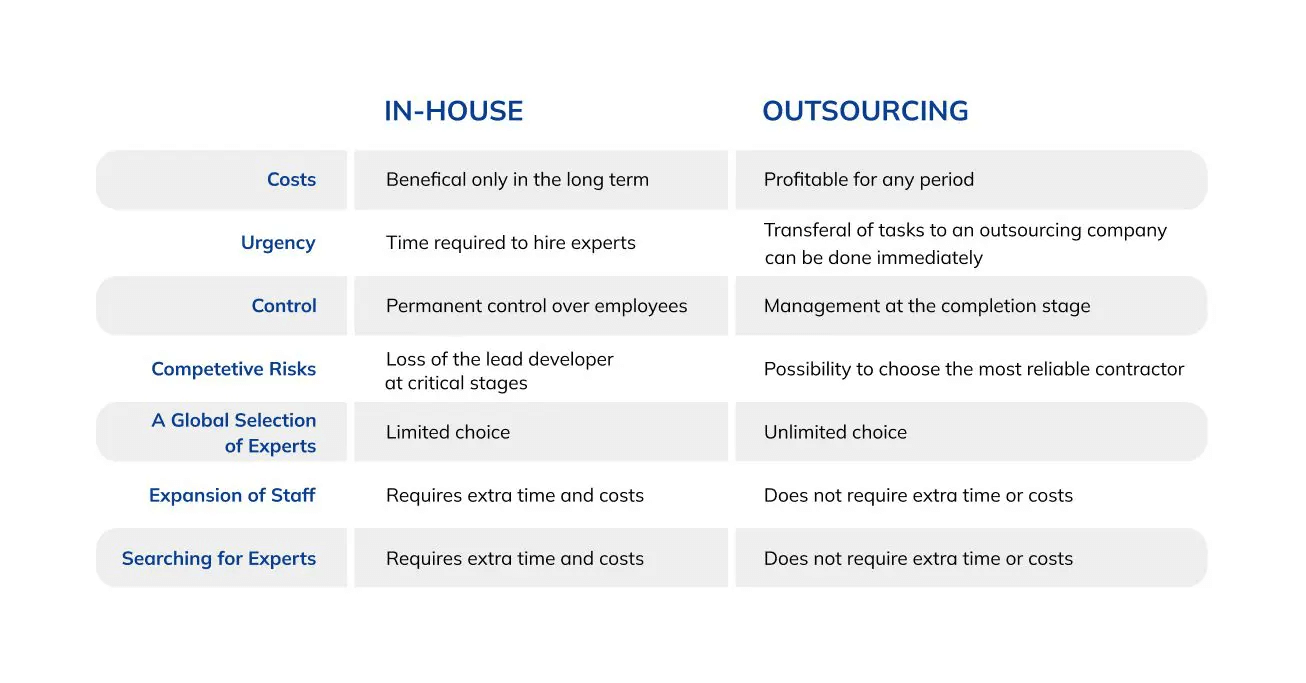
As a business grows, website maintenance stops being a casual task and turns into a real operational decision. At some point, every company faces the same question: Should we manage website maintenance internally, or should we outsource it to a dedicated provider?
There’s no one-size-fits-all answer, but there is a right answer depending on cost, skills, and how critical the website is to your business.
The Cost Reality: Fixed Salaries vs Predictable Packages
On paper, in-house website maintenance can feel like control at a fixed cost. You hire or assign someone internally, and maintenance becomes “part of the job.” But in reality, internal maintenance costs go far beyond salary.
An in-house setup often includes:
- Full-time or part-time salaries
- Hiring and onboarding costs
- Ongoing training as technologies change
- Paid tools for security, monitoring, and performance
- Coverage gaps during leave, turnover, or emergencies
For many businesses, these hidden costs quietly exceed expectations.
Outsourced website maintenance packages work differently. Instead of paying for a person, you pay for outcomes updates, monitoring, security, backups, and support at a predictable monthly or annual rate. There are no hiring delays, no sick days, and no sudden skill gaps. For budget planning alone, this predictability is one of the biggest advantages of outsourcing.
Skill Requirements: One Person vs a Team of Specialists
Website maintenance today isn’t a single skill; it’s a combination of many.
Modern websites require knowledge of:
- CMS updates and compatibility
- Security hardening and threat prevention
- Performance optimization and page speed
- Technical SEO and crawlability
- Server behavior and uptime monitoring
Expecting one in-house employee to master all of this is unrealistic. Most internal teams end up strong in one area and weak in others. When problems fall outside their expertise, issues either get delayed or require external help anyway.
Outsourced maintenance packages provide access to multiple skill sets at once. Instead of relying on one person, businesses benefit from a team that handles different aspects of website health. This depth of expertise is especially valuable as websites grow more complex and business risk increases.
Pros and Cons of In-House Website Maintenance
In-house maintenance does have advantages. Teams are closer to the business, understand internal workflows, and can make quick changes without back-and-forth communication. For companies with large digital teams and constant website development, internal maintenance can make sense.
However, the downsides are significant:
- High long-term cost
- Dependency on specific individuals
- Limited coverage outside office hours
- Slower response during emergencies
- Skill gaps as technology evolves
When a key team member leaves or is unavailable, maintenance often becomes inconsistent or stops altogether.
Pros and Cons of Outsourced Maintenance Packages
Outsourced website maintenance is built for consistency and coverage. Providers follow structured processes, monitor websites continuously, and handle issues proactively. Businesses don’t need to worry about staffing, training, or technical blind spots.
The biggest advantages include:
- Access to specialized expertise
- 24/7 monitoring and faster issue detection
- Clear service scope and accountability
- Predictable costs
- Reduced operational burden
The main trade-off is reduced direct control. Communication and expectations need to be clearly defined up front. That said, strong maintenance providers mitigate this with transparency, reporting, and defined response times.
Website Maintenance Packages for WordPress, Shopify & Custom Websites
Website maintenance is never one-size-fits-all. The way a website is built directly affects how it should be maintained, what risks it faces, and how much ongoing care it needs. This is especially true when comparing WordPress websites, Shopify stores, and fully custom-built platforms.
Each of these platforms solves a different business problem, and each demands a different maintenance approach.
Understanding these differences is key to choosing the right website maintenance package.
Why Platform-Specific Maintenance Matters
A website doesn’t operate in isolation. It depends on its platform’s architecture, update cycles, security model, and integration ecosystem. When maintenance ignores these differences, problems start to surface, updates fail, features break, performance drops, or security gaps appear.
That’s why effective maintenance packages are built around how the platform works, not just generic checklists.
WordPress Website Maintenance: Flexible but Demanding
WordPress websites are powerful because of their flexibility. Thousands of themes, plugins, and integrations allow businesses to build almost anything, but that flexibility comes with responsibility.
WordPress maintenance focuses heavily on compatibility and update management. Core updates, plugin updates, and theme updates must be handled carefully to avoid conflicts. A single outdated plugin can slow the site down, break features, or introduce security vulnerabilities.
Security is another major focus. Because WordPress is widely used, it’s also a common target. Maintenance packages for WordPress typically emphasize regular updates, security monitoring, backups, and performance optimization to keep the site stable as it evolves.
WordPress maintenance works best when it’s consistent. Skipping updates for “later” often leads to rushed fixes and unexpected downtime.
Shopify Website Maintenance: Managed, but Not Hands-Off
At first glance, Shopify websites seem easier to maintain, and in some ways, they are. The platform handles hosting, core security, and infrastructure updates automatically. But that doesn’t mean Shopify stores are maintenance-free.
Shopify maintenance is more about store performance, app management, and ongoing optimization. Apps are the backbone of many Shopify stores, and poorly managed apps can slow down the site, affect checkout, or create conflicts.
Theme updates, app reviews, performance checks, and content optimization are key maintenance tasks for Shopify. As stores grow, maintaining speed, smooth checkout flow, and mobile usability becomes increasingly important.
For e-commerce businesses, maintenance is directly tied to revenue. Even small performance issues can impact conversion rates, making proactive Shopify maintenance essential.
Custom Websites: Powerful, but Responsibility-Heavy
Custom-built websites offer maximum control, but they also require the most responsibility.
Unlike CMS-based platforms, custom websites don’t come with built-in update systems or standardized maintenance routines. Every feature, integration, and dependency must be maintained manually or through custom processes.
Maintenance for custom websites focuses on code health, infrastructure monitoring, security management, and long-term scalability. Updates are often tied to frameworks, libraries, and hosting environments rather than plugins or themes.
Because custom websites are often business-critical, used for SaaS platforms, internal systems, or enterprise applications, maintenance packages usually include deeper technical oversight, testing, and monitoring. There’s less room for error, and issues tend to have a broader impact.
CMS-Based Websites vs Custom Platforms: The Core Difference
CMS-based websites like WordPress and Shopify benefit from established ecosystems, predictable updates, and community-driven improvements. Maintenance revolves around keeping those systems aligned and secure.
Custom websites, on the other hand, require intentional, hands-on maintenance. There’s no safety net of automatic updates or platform-level protections. Everything depends on how well the site is monitored, documented, and maintained over time.
Neither approach is better by default. The right choice depends on business complexity, scalability needs, and internal technical resources.
Common Website Maintenance Mistakes Businesses Make
Most website problems don’t happen because a business made a big mistake. They happen because of small, avoidable decisions that seemed harmless at the time. Skipped updates, postponed backups, or choosing the wrong maintenance plan often feel like minor shortcuts until they turn into real business issues.
Here are the most common website maintenance mistakes businesses make, and why they matter more than many people realize.
Skipping Updates Because “Everything Looks Fine”
One of the most frequent mistakes is delaying or completely skipping updates. If the website looks fine on the surface, it’s easy to assume updates aren’t urgent.
The problem is that updates aren’t just about visible changes. They often include security fixes, performance improvements, and compatibility patches. When updates are ignored, small technical gaps start to form in the background. Over time, those gaps become vulnerabilities, slow performance, broken features, or security risks.
Many businesses only update after something breaks. By then, updates are rushed, issues are harder to diagnose, and downtime becomes more likely. Regular, planned updates prevent this cycle and keep the website stable as browsers, devices, and platforms evolve.
Ignoring Backups Until It’s Too Late
Another critical mistake is assuming backups are unnecessary or assuming someone else is handling them.
Some businesses rely entirely on hosting providers without understanding how often backups run, what’s included, or how quickly a site can be restored. Others skip backups altogether because nothing has gone wrong before.
The reality is that backups are not about if something fails, but when. A failed update, accidental deletion, server issue, or security incident can wipe out important data in minutes. Without a recent, reliable backup, recovery becomes stressful, expensive, and sometimes impossible.
Regular backups turn disasters into inconveniences. Ignoring them turns small issues into major setbacks.
Choosing the Wrong Maintenance Package
Not all maintenance packages are created equal, and choosing the wrong one is a mistake many businesses don’t realize they’ve made until problems appear.
Some businesses choose the cheapest plan without understanding what’s included. Others select a package that doesn’t match how their website is actually used. A high-traffic or revenue-driven website needs very different care than a simple informational site.
When the maintenance package doesn’t align with the website’s complexity or business importance, gaps appear. Security may be basic, performance monitoring may be missing, or support may be slow when it’s needed most.
The right maintenance package should reflect real usage, risk level, and growth plans, not just budget.
Are You Struggling to Find the Right Website Maintenance Plan?
If you’re unsure which maintenance package fits your business, you’re not alone. Many companies know they need maintenance, but struggle to find a plan that actually matches their website’s size, complexity, and growth goals.
That’s where encodedots can help.
encodedots offers professional website support and maintenance services tailored to your real business needs, not generic plans that miss the mark. Whether you’re looking for a simple care plan, advanced security-focused maintenance, or complete website management, our team works with you to create a solution that makes sense for your goals and budget.
We focus on clarity, reliability, and long-term value so your website stays secure, optimized, and ready to support growth without becoming a constant source of stress.
Connect with us today for a free consultation and take the first step toward a website that’s protected, performant, and positioned ahead of your competitors for today and the years to come.
Final Thoughts
A website isn’t something you build once and walk away from. It’s a living part of your business, one that customers interact with every day, often before they ever speak to you. When it’s maintained properly, it works quietly in the background, building trust, supporting marketing efforts, and helping your business grow. When it’s neglected, even small issues can slowly erode performance, security, and credibility.
This is where a dedicated website maintenance and management service makes a real difference. Ongoing maintenance isn’t just about fixing problems; it’s about preventing them. Regular updates, performance optimization, security monitoring, and proactive support ensure your website stays reliable as technology, user expectations, and search engine requirements continue to change. Whether you operate as a web hosting and maintenance provider, run an e-commerce business, or rely on your website for leads and conversions, structured website maintenance helps protect the time, money, and effort you’ve already invested. It reduces unexpected downtime, minimizes security risks, and keeps your site performing at a level that supports long-term success, not short-term fixes.