Web App Development
  Cloud App Development
  Front-End Development
  Cross Platform Development
  MVP Development
  Application Modernization
  PWA Development
  SaaS Application Development
  Software Development Outsourcing
  Offshore Custom Software Development
  Full Stack Software Development
  Custom Software Development
  Enterprise Software Development
  Cloud Computing Solutions
  Cloud Development
  Managed Cloud Services
  Cloud Native Development
  AI Consulting
  Machine Learning Development
  LLM Development
  AI Chatbot Development
  Data Analytics
  CI CD Development
  Digital Transformation
  Dev Ops
  Content Development
  Blockchain Development
  Web Development
  Web Design



 Generative AI
  Large Language Model
  AI Chatbot
  AngularJs
  ReactJS
  Dotnet Core
  Android
  iPhone
  Swift
Swift  E-Commerce
  NopCommerce
  BigCommerce
  Laravel
  Yii
Yii  AWS
AWS  Google Cloud
  Azure DevOps
  Automation Testing
  Security Testing
  API Testing
  Functional Testing
  MEAN Stack
  MERN Stack
  Full Stack Developers
  biz.encodedots
  biz@encodedots.com
  +91 99747 42737



- What Is Agile Software Development
- Why Agile Software Development Works
- Core Principles of Agile Software Development
- Key Agile Methodologies
- Agile Software Development vs Waterfall Model
- Advantages of Agile Software Development
- Disadvantages of Agile Software Development
- Popular Tools Used in Agile Software Development
- Why Modern Businesses Choose Agile Development
- Future of Agile Software Development
- Conclusion
- FAQs About Agile Software Development
Software Development rarely follows a perfectly predictable path. Requirements change, user expectations evolve, and market demands shift faster than most Development plans can keep up with. For many organizations, this reality exposed a major weakness in traditional Development models that relied on rigid planning and long release cycles.
In the past, teams often spent months gathering requirements, Designing systems, and building complete products before users ever saw the first working version. By the time the software was released, customer needs had sometimes already changed. This gap between planning and real-world usage pushed many companies to rethink Why Software should be developed.
That shift gave rise to Agile Software Development, an approach Designed to make Development more adaptive, collaborative, and responsive to change. Instead of treating Software Development as a fixed sequence of phases, agile focuses on building software in smaller, manageable iterations, allowing teams to test ideas, gather feedback, and improve continuously.
What makes agile development powerful is not just the speed of delivery but the way it encourages teams to work together. Developers, product managers, Designers, and stakeholders collaborate throughout the development lifecycle to ensure that every feature being built actually solves a real problem for users.
This approach has transformed the way modern digital products are created. Startups use agile methods to launch products faster, while large enterprises rely on agile frameworks to manage complex software ecosystems. In both cases, the goal remains the same: deliver working Software frequently while continuously improving it.
Today, Agile Software Development is widely recognized as one of the most effective approaches for building modern applications, Digital platforms, and scalable technology solutions. By combining iterative Development, continuous feedback, and cross-functional collaboration, agile enables organizations to respond quickly to change while maintaining high Software quality.
In this guide, we will explore Why agile software development works in practice, the principles that shape agile methodologies, and why businesses across industries continue to adopt agile frameworks to build better Digital products.
What Is Agile Software Development
Agile Software Development is a modern approach to building software that focuses on flexibility, collaboration, and continuous improvement. Instead of developing an entire product over a long period and releasing it all at once, agile teams deliver Software in small, manageable iterations called sprints.
Each sprint usually lasts two to four weeks and includes planning, Development, testing, and feedback. This process allows teams to release working features faster and improve them based on real user feedback.
The concept gained global recognition in 2001 with the Agile Manifesto, which introduced principles prioritizing people, collaboration, working Software, and adaptability to change.
Unlike traditional models such as the Waterfall approach, agile development allows teams to adjust requirements throughout the project. This flexibility helps organizations respond quickly to market changes while maintaining product quality.
Today, agile software development is widely used by Startups, technology companies, and enterprise teams because it enables faster releases, better collaboration, and more user-focused Software products.
Why Agile Software Development Works (Step-by-Step Process)
Unlike traditional Development approaches, where teams spend months building a complete product before releasing it, Agile Software Development focuses on building software in smaller, manageable increments. This allows Development teams to deliver working features faster while continuously improving the product based on feedback.
The agile development process is organized around short Development cycles commonly known as sprints. Each sprint focuses on delivering a specific improvement or feature, helping teams move forward step by step instead of waiting for a final release.
Although agile workflows can vary slightly depending on the framework used, most agile projects follow a similar Development cycle.
1. Product Vision and Initial Planning
Every agile project begins with defining the product vision. At this stage, stakeholders, product managers, and development teams work together to understand what problem the product aims to solve and what features will deliver the most value to users.
Once the vision is clear, the team creates a product backlog. This backlog contains a prioritized list of features, improvements, and technical tasks that need to be completed during development.
The backlog acts as a roadmap that guides the entire agile development process.
2. Sprint Planning
After establishing the product backlog, the team moves into sprint planning. During this stage, the development team selects a group of tasks from the backlog that will be completed in the upcoming sprint.
Sprints usually last two to four weeks, depending on the project and team workflow. The goal of sprint planning is to define clear objectives so the team knows exactly what they will deliver by the end of the sprint.
This focused approach helps teams maintain productivity while avoiding unnecessary complexity.
3. Design and Development
Once the sprint begins, developers start building the selected features. During this phase, Designers, developers, and product managers collaborate closely to ensure that the solution meets both technical and user requirements.
Unlike traditional Development methods, agile teams emphasize continuous collaboration and quick iterations. Developers focus on delivering functional components rather than building the entire system at once.
This approach helps teams validate ideas quickly and make adjustments when needed.
4. Continuous Testing and Quality Assurance
Testing is not treated as a separate phase in agile development. Instead, it is integrated throughout the entire Development cycle.
As new features are built, they are tested immediately to ensure they work correctly and meet quality standards. This continuous testing approach helps teams detect issues early and resolve them before they affect the overall system.
Because of this early feedback loop, agile projects often experience fewer major issues during later stages of development.
5. Sprint Review
At the end of each sprint, the development team presents the completed work during a sprint review meeting. Stakeholders, product owners, and other team members evaluate the new features and discuss Why well they meet project goals.
This stage provides valuable feedback that helps teams refine the product and decide what should be prioritized in the next sprint.
6. Sprint Retrospective
After the sprint review, the team holds a retrospective meeting to reflect on the development process itself.
During this discussion, team members evaluate:
- What worked well during the sprint
- What challenges occurred
- Why can the workflow be improved?
These reflections help the team improve collaboration and efficiency in future sprints.
The Core Principles of Agile Software Development
Agile Software Development is not just a framework or a project management method it is a way of thinking about Why Software should be built. The core principles behind agile focus on delivering real value to users while allowing teams to adapt quickly as projects evolve.
When Software teams first began adopting agile practices, the goal was simple: create a development environment where teams could build better products without being restricted by rigid processes. Instead of treating Development as a fixed sequence of steps, agile encourages teams to work in flexible cycles where improvement is continuous.
At the heart of agile development are a set of guiding principles that shape Why modern development teams collaborate, plan, and deliver Software.
Focusing on Customer Value
One of the most important ideas in agile development is delivering value to the customer as early as possible. Rather than spending months building a complete system before releasing it, agile teams aim to deliver usable features frequently. This approach allows users to start benefiting from the product sooner while giving Development teams real feedback on what works and what needs improvement.
Welcoming Change During Development
In many traditional Development environments, changing requirements late in the project can cause major disruptions. Agile takes a different perspective. It assumes that change is natural and often necessary. As teams learn more about user needs or market conditions, they can adjust priorities and refine features without having to restart the entire Development process.
Delivering Working Software Regularly
Another key principle of agile development is the consistent delivery of functional Software. Instead of waiting until the end of a long Development cycle, agile teams release smaller updates more frequently. This helps stakeholders see progress in real time and ensures that potential issues are identified earlier in the development lifecycle.
Encouraging Strong Collaboration
Successful agile projects rely heavily on collaboration. Developers, Designers, product managers, and stakeholders work closely together throughout the project. This continuous communication helps ensure that the product being built aligns with business goals and user expectations.
Empowering Development Teams
Agile teams are usually self-organized and empowered to make decisions about Why work should be completed. When developers have the freedom to choose the most effective solutions, they often produce more innovative and efficient results. This environment also encourages accountability and ownership within the team.
Prioritizing Clear Communication
Communication plays a critical role in agile environments. Regular interactions, whether through daily stand-ups, sprint planning meetings, or project reviews, help teams stay aligned and resolve issues quickly. Clear communication ensures that everyone involved understands project priorities and progress.
Maintaining a Sustainable Work Rhythm
Agile Development also emphasizes maintaining a sustainable pace. Instead of pushing teams toward unrealistic deadlines that lead to burnout, agile encourages consistent productivity over time. This approach helps maintain both Software quality and team well-being.
Emphasizing Technical Quality
Building reliable software requires strong technical practices. Agile Development encourages teams to maintain high standards in coding, testing, and system architecture. Practices such as automated testing, continuous integration, and code reviews help ensure that the product remains stable as new features are introduced.
Keeping Solutions Simple
Simplicity is another key idea behind agile development. Teams are encouraged to focus on solving the most important problems rather than adding unnecessary complexity. By prioritizing essential features first, Development teams can deliver meaningful value more quickly.
Learning and Improving Continuously
Agile teams regularly evaluate their work and processes to identify opportunities for improvement. After each Development cycle, teams discuss what worked well, what challenges they faced, and Why they can perform better in the next iteration. This culture of reflection helps teams grow stronger over time.
Encouraging Ownership Within Teams
When team members take responsibility for their work and collaborate effectively, projects tend to move faster and more smoothly. Agile environments encourage this sense of ownership, allowing individuals to contribute ideas and solutions that improve the overall Development process.
Delivering Continuous Value
Ultimately, all agile principles lead to one primary objective: delivering consistent value to users. Instead of focusing only on completing a project, agile development prioritizes creating software that continuously improves and evolves based on real user needs.
Key Agile Methodologies Used in Software Development
Agile is not a single methodology but a collection of frameworks Designed to implement agile principles in different Development environments.
Several agile frameworks are widely used by development teams around the world.
Scrum
Scrum is one of the most popular agile frameworks. It divides the development process into time-boxed iterations called sprints. Each sprint typically lasts two to four weeks.
Key roles in Scrum include:
- Product Owner
- Scrum Master
- Development Team
Scrum focuses on transparency, inspection, and adaptation to improve productivity and product quality.
Kanban
Kanban is a visual workflow management framework used in agile development. Teams use Kanban boards to track tasks as they move through different stages of the development process.
Kanban emphasizes:
- Continuous workflow
- Visual task management
- Limiting work in progress (WIP)
Extreme Programming (XP)
Extreme Programming focuses on improving Software quality and responsiveness to changing requirements.
XP practices include:
- Pair programming
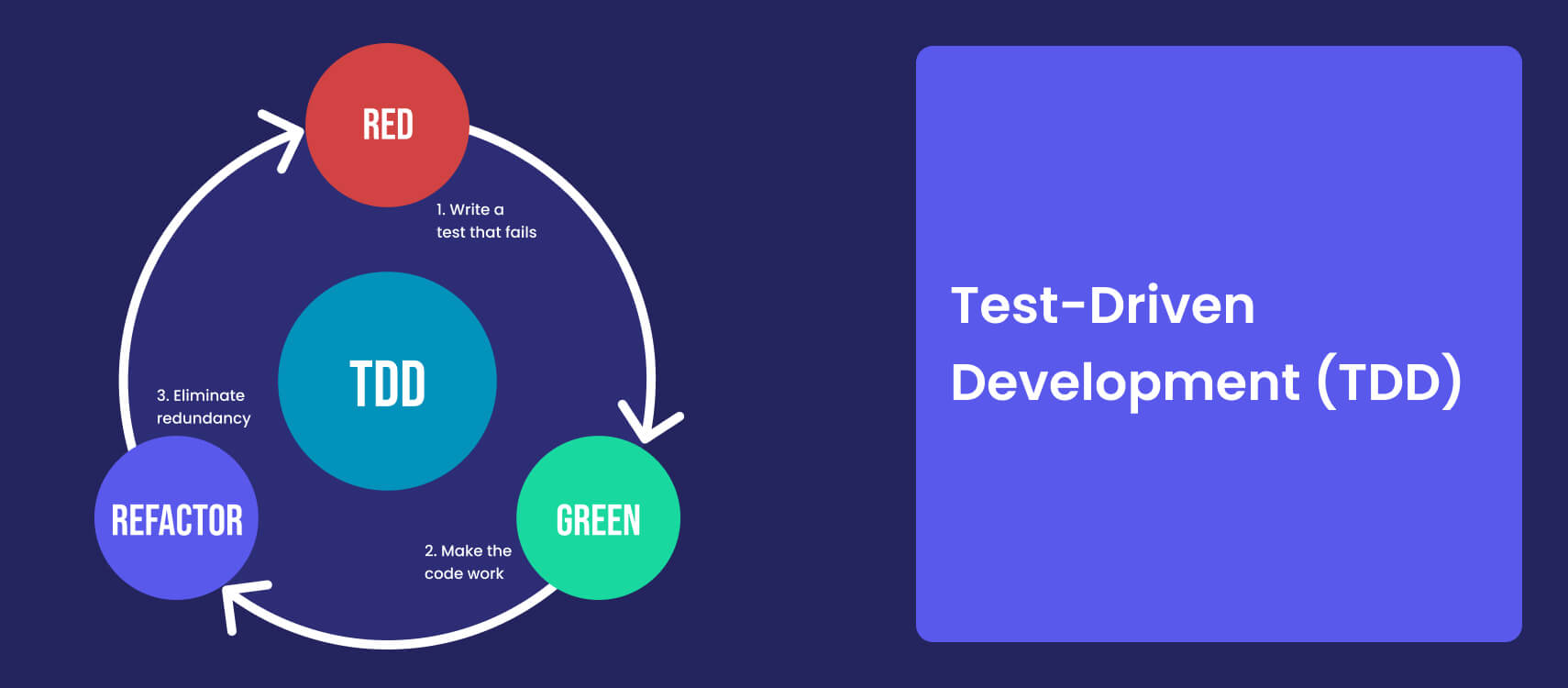
- Test-driven Development (TDD)
- Continuous integration
- Frequent releases
Lean Software Development
Lean Development focuses on eliminating waste and maximizing value for customers. It emphasizes efficiency, continuous improvement, and fast delivery cycles.
Each of these frameworks supports agile principles while providing different structures for managing Development workflows.
Organizations often choose the framework that best aligns with their project requirements and team dynamics.
Agile Software Development vs Waterfall Model
Choosing the right development approach can significantly influence Why successfully a software project is delivered. For many years, organizations relied on traditional Development models that followed strict planning and structured workflows. However, as digital products became more complex and customer expectations began changing faster, Development teams started looking for more flexible ways to build Software.
This shift introduced a major discussion in the software industry: Agile Software Development vs Waterfall Model.
Both approaches aim to help teams build reliable software, but they follow very different philosophies. The Waterfall model focuses on a step-by-step process where each phase must be completed before the next begins. In contrast, Agile Development emphasizes flexibility, continuous collaboration, and iterative improvement.
Understanding Why these two approaches differ helps organizations choose the most suitable Development strategy for their projects.
Agile vs Waterfall: Key Differences
| Aspect | Agile Software Development | Waterfall Model |
| Development Approach | Agile follows an iterative and incremental Development approach where software is built in small cycles called sprints. | Waterfall follows a sequential process where each phase must be completed before the next phase begins. |
| Flexibility | Agile is highly flexible and allows teams to adjust requirements throughout the development process. | Waterfall has limited flexibility because requirements are usually defined at the beginning. |
| Project Structure | Work is divided into smaller tasks that are developed and improved continuously. | The project is completed in clearly defined phases such as planning, Design, Development, testing, and deployment. |
| Speed of Delivery | Agile teams release working features frequently, allowing faster delivery of updates and improvements. | Waterfall projects usually deliver the product only after the entire Development process is completed. |
| Customer Involvement | Stakeholders and customers are involved throughout the development lifecycle and provide continuous feedback. | Customer involvement mainly occurs during the requirement phase and final delivery stage. |
| Testing Process | Testing happens continuously during each Development cycle. | Testing is typically performed after the development phase is finished. |
| Risk Management | Agile reduces risk because issues can be detected and resolved early during iterative Development. | Risks may remain hidden until later stages because testing happens after Development. |
| Adaptability to Change | Agile welcomes changes even late in the development process. | Waterfall struggles to accommodate changes once Development has started. |
| Project Visibility | Teams can see progress after every sprint or iteration. | Progress is usually visible only after major phases are completed. |
| Best Use Case | Agile works well for dynamic projects where requirements may evolve. | Waterfall works best for projects with stable and clearly defined requirements. |
Advantages of Agile Software Development
Over the past two decades, Agile Software Development has become one of the most widely adopted approaches for building modern digital products. From technology Startups to global enterprises, many organizations rely on agile practices because they allow Development teams to work faster, adapt to change, and deliver Software that better meets user needs.
The growing popularity of agile development comes from several key advantages that improve both the development process and the final product.
Faster Product Delivery
One of the biggest advantages of agile development is the ability to deliver working Software much faster. Instead of waiting months for a full product release, agile teams break large projects into smaller Development cycles known as sprints.
Each sprint focuses on delivering a specific feature or improvement. This means users can start using parts of the product earlier while development teams continue refining the system. Faster release cycles also allow businesses to respond quickly to market opportunities and stay competitive.
Improved Product Quality
Agile Development integrates testing throughout the development lifecycle rather than leaving it for the final stages of a project. Continuous testing helps teams identify and fix issues earlier, reducing the risk of major bugs appearing in the final product.
Regular feedback from stakeholders and users also allows teams to refine features based on real-world usage. As a result, agile projects often produce Software that aligns more closely with customer expectations.
Greater Flexibility and Adaptability
Modern Software projects rarely remain unchanged from the initial plan. New user requirements, technological advancements, or market conditions can require adjustments during development.
Agile methodology is Designed to handle these situations. Because Development happens in small iterations, teams can easily modify priorities, adjust features, or introduce new functionality without disrupting the entire project workflow.
Better Collaboration Among Teams
Agile Development encourages strong communication between developers, Designers, product managers, and stakeholders. Regular meetings such as daily stand-ups, sprint planning sessions, and retrospectives help teams stay aligned and address challenges quickly.
This collaborative environment improves transparency and ensures that everyone involved understands project goals and progress.
Higher Customer Satisfaction
Another major benefit of agile development is the ability to involve customers and stakeholders throughout the development process. Instead of waiting until the project is finished, users can provide feedback during each Development cycle.
This continuous feedback loop helps teams build products that better meet user needs, ultimately leading to higher customer satisfaction.
Because of these advantages, agile development has become particularly popular among Startups, SaaS companies, and technology-driven organizations that need to innovate quickly and deliver new features regularly.
Disadvantages of Agile Software Development
Although agile methodology offers many advantages, it is not without its challenges. Like any Development approach, agile has certain limitations that organizations must consider before adopting it.
Understanding these potential drawbacks helps teams implement agile practices more effectively.
Limited Predictability in Long-Term Planning
Agile projects evolve as teams adapt to new requirements and feedback. While this flexibility is one of agile’s strengths, it can also make long-term planning more challenging.
Estimating the exact timeline or budget for a project may be difficult because priorities and features can change during development.
Dependence on Skilled and Experienced Teams
Agile Development relies heavily on collaboration and self-organizing teams. Developers are expected to take ownership of their tasks and contribute actively to problem-solving.
If team members lack experience with agile practices or do not communicate effectively, the development process may become inefficient.
Reduced Emphasis on Documentation
Agile methodology prioritizes delivering working Software over producing extensive documentation. While this approach helps accelerate Development, it can sometimes lead to gaps in project documentation.
For complex enterprise systems, insufficient documentation may make long-term maintenance or onboarding new team members more difficult.
Risk of Scope Expansion
Because agile welcomes new ideas and feedback throughout Development, there is always a possibility that the project scope may gradually expand. Without clear prioritization and strong product management, teams may find it difficult to maintain focus on the most important features.
Popular Tools Used in Agile Software Development
Agile Software Development relies heavily on collaboration, transparency, and continuous progress tracking. To support these workflows, Development teams often use specialized tools that help manage tasks, organize sprint planning, and keep everyone aligned throughout the project lifecycle.
Modern agile teams rarely rely on spreadsheets or manual tracking systems. Instead, they use agile project management tools that provide real-time visibility into development progress and help teams coordinate work more efficiently.
Below are some of the most widely used tools that support agile development practices.
Jira
Jira is one of the most commonly used tools for agile project management, particularly among Software Development teams working with Scrum or Kanban frameworks. It allows teams to create tasks, organize backlogs, and track progress during each sprint.
One of Jira’s biggest strengths is its ability to provide detailed project visibility. Development teams can monitor sprint progress, track issues, and prioritize tasks based on business goals. Because of its advanced customization features, Jira is widely used by both Startups and large enterprise development teams.
Trello
Trello is known for its simple and highly visual approach to task management. It uses a card-based board system where tasks move through different stages of the workflow, making it easy for teams to see what work is in progress and what has already been completed.
Because of its intuitive interface, Trello is often preferred by small teams, Startups, and product teams that want a lightweight project management solution without the complexity of larger enterprise tools.
ClickUp
ClickUp is a versatile project management platform that combines task tracking, sprint planning, documentation, and team collaboration in a single workspace. Agile teams use ClickUp to organize Development tasks, set priorities, and automate repetitive workflows.
One of the advantages of ClickUp is its flexibility. Teams can customize dashboards, create automation rules, and integrate Development tools to streamline the agile development process.
Azure DevOps
Azure DevOps is a comprehensive Development platform that combines project management with powerful Development tools. It provides features for source code management, continuous integration, automated testing, and release pipelines.
Because of its deep integration with development workflows, Azure DevOps is often used by enterprise teams that need to manage complex software projects while maintaining strong DevOps practices.
Why Modern Businesses Choose Agile Development
In today’s fast-moving Digital economy, businesses cannot afford to spend years building software before releasing it to users. Customer expectations evolve rapidly, competitors release updates frequently, and new technologies constantly reshape the market. Because of this dynamic environment, many organizations have shifted toward Agile Software Development as a more flexible and responsive way to build Digital products.
Unlike traditional Development models that rely on long planning cycles, agile development allows teams to deliver improvements continuously. This approach helps companies adapt faster, experiment with new ideas, and respond quickly to changing customer needs.
One of the main reasons businesses adopt agile development is the ability to deliver product updates more frequently. Instead of waiting for a full product release, agile teams can introduce new features in smaller increments. This enables organizations to test ideas in the market earlier and refine them based on real user feedback.
Agile Development also improves overall product quality. Because testing and feedback are integrated throughout the development lifecycle, teams can identify potential issues early and resolve them before they affect the final product.
Another important advantage is reduced Development risk. In traditional Development approaches, problems may remain hidden until the later stages of the project. Agile Development minimizes this risk by encouraging frequent testing, regular reviews, and continuous improvements.
Collaboration is another factor that makes agile attractive for modern organizations. Agile frameworks encourage close communication between developers, Designers, product managers, and business stakeholders. This collaborative environment ensures that development efforts remain aligned with business goals and customer expectations.
For these reasons, agile development has become the preferred approach in industries such as fintech, e-commerce, healthcare technology, and SaaS platforms, where innovation speed and adaptability are critical for success.
Organizations that successfully implement agile practices often gain a competitive advantage by delivering better products faster while staying responsive to market demands.
Future of Agile Software Development
As technology continues to evolve, agile development is also adapting to new tools, workflows, and development practices. Several emerging trends are shaping the future of agile software development and influencing Why teams build modern digital products.
AI-Assisted Development
intelligence artificial is beginning to play a larger role in the software development process. AI-powered tools can assist developers with tasks such as code generation, automated testing, bug detection, and performance optimization. These technologies help Development teams work more efficiently while reducing repetitive manual tasks.
Agile and DevOps Integration
Another important trend is the growing integration between Agile and DevOps practices. While agile focuses on iterative Development and collaboration, DevOps emphasizes automation and continuous delivery. When combined, these practices allow organizations to build, test, and release Software more frequently with greater reliability.
Growth of Distributed Agile Teams
Remote work has become increasingly common in the technology industry, and agile teams are adapting to this shift. Many Development teams now operate across multiple locations while still maintaining agile workflows through digital collaboration tools, virtual sprint meetings, and cloud-based project management platforms.
Automation and Continuous Integration
Automation is becoming a central component of modern development pipelines. Continuous integration and automated testing allow teams to detect issues earlier and deploy updates faster. These tools help maintain Software quality while supporting the rapid release cycles that agile development encourages.
As businesses continue to rely more heavily on digital platforms, agile methodologies will remain a critical part of modern software engineering. Organizations that combine agile practices with emerging technologies will be better positioned to build scalable, reliable, and user-focused Digital products.
Conclusion
Software Development today is no longer a slow, rigid process where teams spend months building a product before anyone can use it. In a world where technology evolves quickly and user expectations continue to change, organizations need Development approaches that allow them to move faster while still maintaining high quality.
This is exactly where Agile Software Development proves its value. By breaking large projects into smaller Development cycles, agile enables teams to experiment, gather feedback, and improve products continuously. Instead of waiting for a final release, businesses can deliver improvements gradually while learning from real user interactions.
Another reason agile has become so widely adopted is its focus on collaboration. Modern Digital products are rarely built by developers alone. Product managers, Designers, testers, and stakeholders all contribute to shaping the final solution. Agile frameworks create an environment where these teams can communicate effectively and work toward shared goals.
As Digital transformation continues across industries from fintech and e-commerce to healthcare technology and SaaS platforms, the ability to adapt quickly will become even more important. Agile methodologies provide the flexibility organizations need to innovate, respond to market changes, and deliver meaningful value to users.