Web App Development
  Cloud App Development
  Front-End Development
  Cross Platform Development
  MVP Development
  Application Modernization
  PWA Development
  SaaS Application Development
  Software Development Outsourcing
  Offshore Custom Software Development
  Full Stack Software Development
  Custom Software Development
  Enterprise Software Development
  Cloud Computing Solutions
  Cloud Development
  Managed Cloud Services
  Cloud Native Development
  AI Consulting
  Machine Learning Development
  LLM Development
  AI Chatbot Development
  Data Analytics
  CI CD Development
  Digital Transformation
  Dev Ops
  Content Development
  Blockchain Development
  Web Development
  Web Design



 Generative AI
  Large Language Model
  AI Chatbot
  AngularJs
  ReactJS
  Dotnet Core
  Android
  iPhone
  Swift
Swift  E-Commerce
  NopCommerce
  BigCommerce
  Laravel
  Yii
Yii  AWS
AWS  Google Cloud
  Azure DevOps
  Automation Testing
  Security Testing
  API Testing
  Functional Testing
  MEAN Stack
  MERN Stack
  Full Stack Developers
  biz.encodedots
  biz@encodedots.com
  +91 99747 42737


- Top UX/UI Trends to Revamp Your UX
- Why UX Isn’t Getting Any Easier in 2026
- Conclusion
- Accessibility-First Design
- Immersive Augmented Reality (AR) in UI
- Gesture-Based Navigation
- Personalization with AI Insights
- Neumorphism or Minimalist Skeuomorphism
- Biometric Authentication for Security
- Widespread use of 3D Graphics & Animation
- Ending Notes
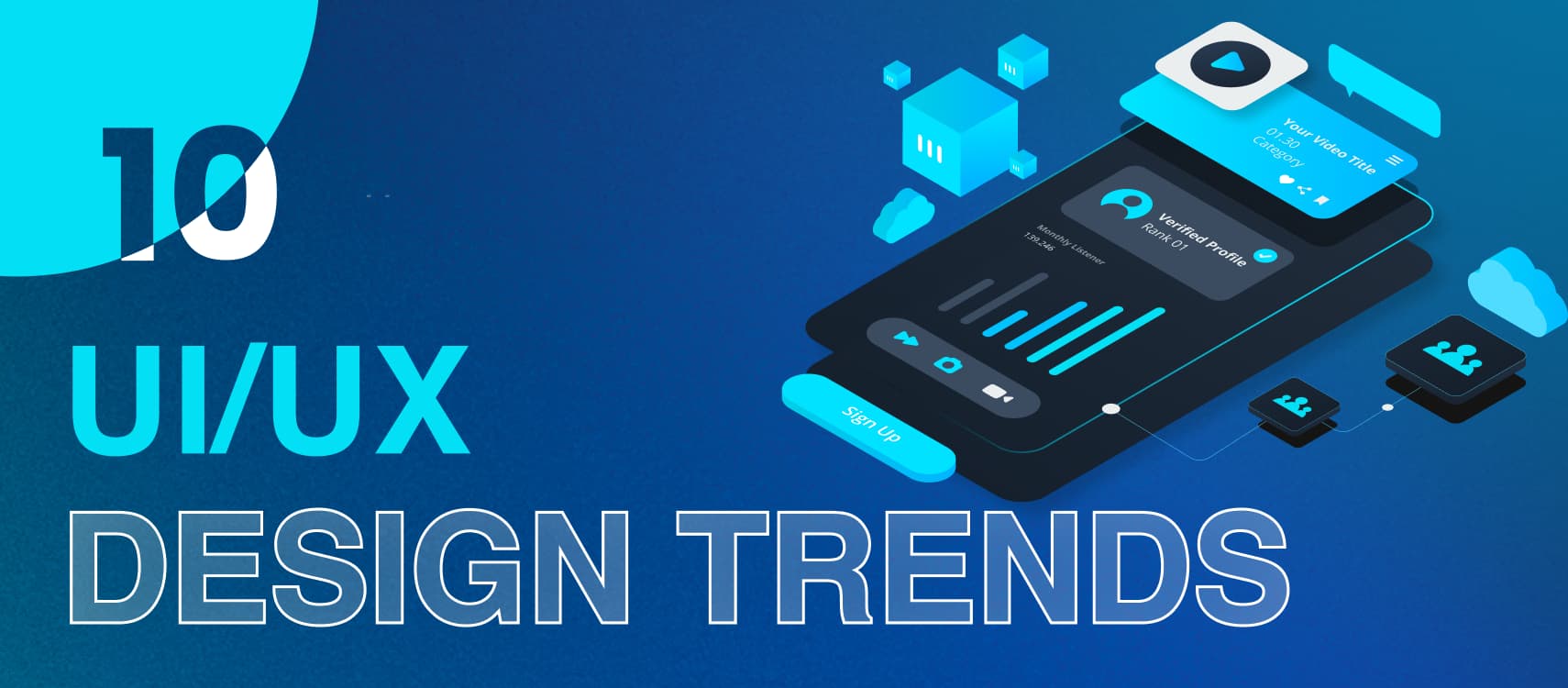
The world of UX/UI Design is evolving faster than ever. Every year brings new technologies, shifting user expectations, and creative approaches that redefine Why people interact with digital products. In 2026, staying ahead isn’t just about making things look good; it’s about creating experiences that are intuitive, immersive, and unforgettable.
From Dark Mode and Neumorphism to AI-powered personalization and super apps, these trends are shaping the way we Design for users across devices, platforms, and cultures. Whether you’re a designer, product manager, or business owner, understanding these trends will help you build interfaces that captivate, engage, and convert.
In this article, we’ll break down 25 must-know UX/UI trends for 2026, exploring what they are, why they matter, and Why you can apply them to deliver Digital experiences that stand out in today’s competitive landscape.
Top UX/UI Trends to Revamp Your UX
The Digital world is evolving at lightning speed, and users expect more than just a good-looking interface; they want seamless, intuitive, and emotionally engaging experiences. Staying ahead of UX/UI trends is no longer optional; it’s essential for brands that want to remain competitive. These emerging trends help businesses create interfaces that feel modern, reduce friction, and deliver meaningful value at every interaction. If you’re ready to elevate your product, these UX/UI trends will guide you toward smarter, smoother, and more impactful Design.
1. Dark Mode
Dark Mode has transitioned from a simple aesthetic choice to a functional necessity in modern UI Design. By replacing bright backgrounds with darker tones, Dark Mode reduces eye strain, particularly in low-light environments, while also helping devices save battery life. Beyond functionality, it adds a sleek, modern look to apps, websites, and dashboards, giving products a premium feel. Dark Mode also allows Designers to highlight key elements using contrast, improving focus on buttons, CTAs, and interactive components. In 2026, users expect Dark Mode as a standard option, making it not just a trend but a user-centric requirement for enhancing accessibility and engagement.
2. Neumorphism
Neumorphism, also known as “soft UI,” is redefining the way Digital interfaces feel. This Design style blends minimalism with tactile realism by using soft shadows and highlights to create subtle 3D-like effects on buttons, cards, and forms. Unlike flat Design, Neumorphism gives users a sense of touch, making interactions feel more intuitive and engaging. It works best in combination with clean typography and muted color palettes, creating interfaces that are visually striking yet gentle on the eyes. In 2026, Neumorphism is becoming a go-to choice for brands that want their apps and websites to feel modern, sophisticated, and user-friendly without overwhelming the interface with excessive details.
3. Animations
Animations are no longer just decorative; they are essential for creating interactive, intuitive user experiences. From micro-interactions like button presses and hover effects to full-screen transitions and loading sequences, animations guide users, provide instant feedback, and make navigation smoother. Properly implemented animations can reduce confusion, enhance storytelling, and even increase conversions by subtly directing attention to key actions. In 2026, dynamic interfaces are expected to feel alive and responsive, with micro-interactions enhancing usability without slowing down performance. Designers are using motion to make Digital experiences more engaging, memorable, and human-centric.
4. Advanced Micro-Interactions
Micro-interactions are subtle Design elements that respond to user actions, such as button clicks, swipes, or notifications. Advanced micro-interactions take this a step further by providing meaningful, context-aware feedback that enhances usability and engagement. For example, a “like” button that animates differently based on the number of likes adds delight, while progress indicators or hover effects guide users intuitively through tasks. In 2026, these interactions are critical for creating interfaces that feel alive and responsive, reducing errors, and ensuring users enjoy seamless, intuitive experiences without thinking twice about the interface.
5. Bold Typography
Typography is no longer just about readability; it’s now a central Design element that communicates personality and hierarchy. Bold typography grabs attention instantly, establishes focus, and can convey brand identity in seconds. In modern UX/UI, Designers are using oversized fonts, strong contrasts, and expressive typefaces to make key messages stand out, whether on landing pages, mobile apps, or dashboards. In 2026, bold typography is being paired with minimal layouts and clean visuals to create memorable, impactful interfaces that guide users’ eyes and enhance content comprehension.
6. Smooth Gradients
Smooth gradients are making a comeback in UI Design, adding depth, vibrancy, and a modern aesthetic to digital products. Unlike flat colors, gradients create subtle transitions that bring life to buttons, backgrounds, and interactive elements. They can convey mood, highlight focal points, and guide users’ attention naturally. In 2026, Designers are using gradients not only for visuals but also to create a sense of motion and interactivity, combining them with animations or micro-interactions to make interfaces feel dynamic and immersive. Smooth gradients are perfect for brands seeking a fresh, modern, and visually engaging look.
7. 3D Is Everywhere
Three-dimensional (3D) elements are transforming Digital interfaces into immersive, visually compelling experiences. From product showcases to interactive icons, 3D graphics make Designs feel more tangible and engaging. In 2026, 3D is no longer limited to gaming or AR/VR applications; it’s being integrated into websites, mobile apps, and dashboards to create depth, realism, and user delight. By combining 3D visuals with animations and micro-interactions, Designers can guide user attention, enhance storytelling, and elevate brand perception. 3D elements also help users better understand products and interfaces, creating a more intuitive and memorable experience.
8. Empty and Error States Illustration
Empty screens and error messages are often overlooked, but they are prime opportunities to enhance user experience. Instead of showing bland “404” pages or blank dashboards, Designers are incorporating illustrations, animations, and friendly messaging to guide users and reduce frustration. In 2026, this trend focuses on turning mistakes or empty states into engaging touchpoints that maintain brand personality, provide clear instructions, and even encourage exploration. Well-Designed empty and error states not only prevent drop-offs but also build trust, improve usability, and make the interface feel polished and thoughtful.
9. Design System
A Design system is a comprehensive collection of reusable components, patterns, and guidelines that ensures consistency across all Digital products. In modern UX/UI, Design systems are crucial for scaling interfaces without losing visual coherence or user experience quality. They streamline collaboration between Designers and developers, speed up Development, and maintain brand identity across platforms. In 2026, companies will increasingly rely on design systems to support rapid product iterations, accessibility compliance, and seamless cross-device experiences. A well-implemented Design system ensures that every touchpoint feels familiar, intuitive, and professional, improving both usability and efficiency.
Read More: UI/UX Design Challenges
10. Remote and Virtual Collaboration
With the rise of distributed teams and hybrid work models, Designing for remote and virtual collaboration has become essential. UX/UI now focuses on creating intuitive tools that make teamwork seamless, whether it’s virtual whiteboards, task management apps, or video conferencing platforms. In 2026, Designers prioritize features like real-time collaboration, contextual cues, and interactive dashboards that enhance productivity and communication. Well-Designed collaboration interfaces reduce friction, minimize misunderstandings, and ensure that users feel connected and efficient, even when working from different locations.
11. Augmented & Virtual Reality (AR/VR)
AR and VR are transforming UX/UI by creating immersive, interactive Digital experiences that go beyond traditional screens. From virtual shopping try-ons to interactive training modules, AR/VR interfaces allow users to engage with content in highly realistic ways. In 2026, UX Designers are focusing on ease of navigation, intuitive gestures, and spatial awareness to make these experiences natural and accessible. AR/VR not only elevates user engagement but also helps brands stand out by offering unique, memorable interactions that leave a lasting impression.
12. Voice User Interface (VUI) and Touchless Interactions
Voice User Interfaces (VUI) and touchless interactions are rapidly reshaping Why users interact with technology. By leveraging voice commands, gestures, and sensors, users can control apps, devices, or smart environments hands-free, enhancing convenience and accessibility. In 2026, VUI Design emphasizes clear feedback, conversational flows, and context-awareness to make interactions smooth and error-free. Touchless interfaces are especially important for public devices, healthcare applications, and wearable tech, ensuring hygiene, speed, and an effortless user experience.
13. Great User Onboarding Experience
A strong onboarding experience sets the tone for Why users perceive an app or website. In 2026, UX Designers focus on intuitive tutorials, interactive walkthroughs, and personalized guidance to help users quickly understand the product’s value. Effective onboarding reduces drop-offs, improves retention, and ensures users feel confident navigating the interface. Modern onboarding also leverages progressive disclosure, showing only what’s necessary at each step to avoid overwhelming users. A seamless onboarding journey creates trust, encourages engagement, and increases the likelihood that users will become loyal advocates of your product.
14. Frictionless Authentication
Frictionless authentication is transforming login experiences, making them fast, secure, and user-friendly. Instead of traditional passwords, Designers are implementing biometrics, single sign-on (SSO), and passwordless authentication to streamline access. In 2026, users expect secure yet effortless entry into apps and websites, without repeated logins or cumbersome verification steps. Frictionless authentication enhances security while maintaining convenience, reduces abandonment rates, and improves overall satisfaction. By prioritizing a smooth sign-in process, businesses can boost engagement and ensure users feel safe interacting with digital products.
15. UX Writing and Microcopy
Words matter as much as visuals in UX/UI Design. UX writing and microcopy, such as button labels, error messages, and tooltips, guide users, clarify actions, and build trust. In 2026, Designers focus on concise, human-centric language that aligns with the brand voice and enhances the overall user journey. Well-crafted microcopy can reduce errors, ease navigation, and even create delightful moments that make users smile. Effective UX writing transforms interfaces from functional to intuitive, ensuring users always know what to do next while feeling supported and understood.
16. Personalized Experience
Personalization is no longer optional; it’s expected. Modern UX/UI Design focuses on tailoring interfaces, content, and recommendations to individual users based on their behavior, preferences, and context. In 2026, personalized experiences improve engagement, retention, and conversion rates by making users feel understood and valued. Examples include adaptive dashboards, content feeds that reflect interests, and dynamic product suggestions. By delivering relevant experiences, brands can build stronger connections, enhance satisfaction, and create interfaces that feel intuitive and human-centric.
17. Rising of Super Apps
Super apps platforms that integrate multiple services like messaging, payments, shopping, and more are gaining traction globally. In 2026, UX/UI Design for super apps focuses on seamless navigation, service discoverability, and consistent Design across features. Users expect a unified experience without friction, regardless of the number of services offered. Well-Designed super apps increase engagement, reduce the need for multiple apps, and create a one-stop solution for users’ daily Digital needs. The trend emphasizes scalability and cross-functional Design thinking to maintain usability and coherence across diverse services.
18. AI-Powered UX
intelligence artificial is transforming Why users interact with digital products. AI-powered UX leverages machine learning and predictive analytics to anticipate user needs, automate repetitive tasks, and personalize experiences in real-time. In 2026, interfaces can adapt dynamically, offer smart suggestions, and optimize layouts based on behavior patterns. AI-driven features such as chatbots, recommendation engines, and adaptive dashboards enhance engagement, efficiency, and satisfaction. By integrating AI into UX Design, businesses can deliver smarter, more intuitive experiences that feel responsive and proactive, elevating overall user trust and delight.
19. Glassmorphism
Glassmorphism is a design trend that emphasizes frosted glass-like elements with transparency, blur effects, and subtle layering. This style creates a sense of depth and hierarchy while maintaining a clean, modern aesthetic. In 2026, Designers use Glassmorphism to highlight key UI components, overlay interactive cards, and enhance visual appeal without overwhelming the interface. By combining transparency, soft shadows, and smooth gradients, Glassmorphism provides a futuristic look that draws attention to important actions, improves readability, and makes Digital products feel dynamic, elegant, and immersive.
20. Minimalistic Interfaces
Minimalistic Design continues to dominate UX/UI in 2026 by focusing on simplicity, clarity, and purposeful layouts. Removing unnecessary elements helps users focus on core content and actions, improving usability and reducing cognitive load. Minimalistic interfaces use whitespace strategically, pair clean typography with limited color palettes, and emphasize essential features over decoration. This approach not only enhances readability but also speeds up navigation, increases conversions, and delivers a visually soothing experience. For brands, minimalism communicates sophistication, professionalism, and a user-first mindset.
21. Sustainable and Ethical Design
Sustainable and ethical Design is becoming a key consideration in UX/UI as users increasingly value responsible Digital products. Designers focus on energy-efficient Designs, accessibility, inclusivity, and privacy-conscious interfaces. In 2026, sustainable Design also includes optimizing performance to reduce server loads, Designing for longevity, and creating interfaces that encourage ethical user behavior. By prioritizing eco-friendly and inclusive practices, businesses not only improve their brand reputation but also foster trust and loyalty, ensuring that digital experiences are responsible, human-centric, and aligned with global sustainability goals.
22. Immersive Storytelling
Immersive storytelling in UX/UI combines narrative-driven Design, animations, and interactive elements to create engaging user experiences. In 2026, Designers use storytelling to guide users through interfaces, making them feel part of a journey rather than just interacting with static content. Scroll-based animations, interactive timelines, and layered visuals help convey messages effectively while maintaining engagement. By incorporating storytelling principles, Digital products can enhance brand identity, communicate complex ideas effortlessly, and leave a lasting impression on users, making every interaction meaningful.
23. Haptic Feedback Integration
Haptic feedback adds a tactile dimension to digital interactions, allowing users to feel vibrations, taps, or other physical cues when interacting with devices. In 2026, this trend is gaining momentum in mobile apps, wearables, and AR/VR experiences, enhancing usability and engagement. Haptic feedback provides instant response, improves accessibility, and makes interfaces feel more responsive and intuitive. By integrating subtle vibrations or tactile cues, Designers can guide user actions, confirm interactions, and create a more immersive and enjoyable experience across Digital touchpoints.
24. Data Visualization & Dashboards
Data visualization is crucial for helping users understand complex information quickly. In 2026, UX/UI focuses on interactive charts, dynamic dashboards, and intuitive graphs that make data actionable and insightful. Designers are incorporating color coding, animations, and filters to improve clarity and decision-making. Well-crafted dashboards allow users to track metrics, identify trends, and explore data effortlessly, enhancing both efficiency and satisfaction. This trend emphasizes that data-driven interfaces should not only present information but also tell a story that empowers users to act confidently.
25. Inclusive & Accessible Design
Inclusive and accessible Design ensures that digital products are usable by everyone, regardless of abilities, age, or background. In 2026, Designers focus on contrast ratios, screen reader compatibility, keyboard navigation, and adaptable layouts. Inclusive Design is not just about compliance; it’s about creating equitable, user-friendly experiences that foster trust and engagement. By prioritizing accessibility, businesses can reach a broader audience, improve satisfaction, and demonstrate social responsibility, making their products truly user-centric and future-ready.
Read More: The Interplay of UI and UX Designs
Why Check Out UI/UX Trends?
Keeping up with UI/UX trends is essential for creating digital products that feel modern, intuitive, and engaging. Trends reflect Why user expectations are evolving, the latest technologies, and design practices that improve usability. By staying updated, businesses can enhance user satisfaction, reduce friction, and boost engagement, ensuring their apps, websites, or platforms don’t feel outdated.
UI/UX trends also inspire innovation, helping Designers implement features like immersive storytelling, smooth animations, or personalized experiences that capture attention and retain users. Moreover, adopting current trends shows that your brand is forward-thinking, professional, and user-focused, which builds trust and credibility.
In short, following UI/UX trends is not just about aesthetics; it’s about delivering better experiences, staying competitive, and connecting with users in meaningful ways.
Why UX Isn’t Getting Any Easier in 2026
UX Design in 2026 is more challenging than ever. Users expect fast, seamless, and personalized experiences, and businesses are pushing for higher conversions, wider reach, and quicker launches. Designers are juggling complexity, ethics, accessibility, AI behavior, and global needs all at once. Here’s why modern UX demands more skill, strategy, and creativity than ever before:
1. Sky-High User Expectations
Users expect frictionless experiences across every platform. Slow-loading pages, confusing navigation, or unclear steps aren’t just annoying; they’re dealbreakers. In 2026, great UX isn’t a bonus; it’s a necessity. Designers must anticipate needs, streamline flows, and create interfaces that feel effortless.
2. Multi-Device Journeys
People now switch seamlessly between devices, smartwatches, phones, laptops, and even VR headsets. UX must stay consistent across platforms while accounting for unique interactions, screen sizes, and technical quirks, ensuring users can complete tasks without interruption.
3. Ethical UX & AI Transparency
AI personalization is on the rise, but so are concerns about data privacy, bias, and manipulation. UX Designers must create transparent interfaces, give users control, and build trust without overwhelming them with technical complexity.
4. Tighter Budgets and Faster Timelines
UX teams face the pressure of delivering results quickly with fewer resources. Research cycles are shorter, and iteration time is limited. Designers rely on lean UX practices to ensure quality and efficiency while maintaining a user-focused approach.
5. Proving ROI of UX
Good UX is now measured by tangible business outcomes higher conversion rates, lower churn, or increased customer lifetime value. Design alone isn’t enough; it must demonstrate measurable results that align with business goals.
6. Accessibility & Inclusivity
Accessibility is non-negotiable. Designers must consider screen readers, color contrast, keyboard navigation, and neurodiversity from day one. Inclusive Design ensures products are usable by all and meets both legal and ethical standards.
7. Tool Overload
Design teams juggle multiple platforms, Figma, Sketch, and prototyping tools, while developers use their own environments. Switching tools, handling plugin conflicts, and version management can slow down workflows and create unnecessary friction.
8. Global UX Challenges
Products now serve diverse markets, meaning symbols, colors, layouts, and gestures must feel natural across cultures and languages. UX Design must consider local preferences while maintaining a consistent global experience.
9. Cognitive Overload & User Fatigue
Users are overwhelmed by notifications, ads, and app interactions. Designers must focus on simplicity, prioritization, and calm interfaces that reduce mental strain and improve the overall experience.
10. Emerging Technologies
New technologies like VR, AR, voice interfaces, and AI-driven tools challenge traditional Design thinking. UX for these platforms requires experimentation, creative problem-solving, and a deep understanding of human behavior to ensure intuitive and enjoyable experiences.
Conclusion
These UX/UI trends give a clear snapshot of where design is heading in 2026. By understanding and applying them, you can create modern, engaging, and user-centric experiences that stand out in a crowded Digital landscape.
Grab your notebook, open a fresh Notion page, or set up your design tracker, and start observing Why these trends evolve throughout the year. Take note of patterns, test new ideas, and integrate the insights into your projects to stay ahead.
To stay inspired, follow leading UX and UI Designers, explore their work, and learn from their strategies. Continuous learning and observation will ensure you’re always aligned with the latest trends, techniques, and innovations in UX/UI Design.